
Rubber Injection, Made Simple
More design freedom, lighter outsole, more efficient production, ready-to-run rubber
Trusted by World’s Top Brands


Traditional Rubber Molding Takes Work
Before rubber ever reaches the mold, there are multiple preparation and handling steps that are the bottleneck for your production
Rubber Formula Design
Kneading & Compounding
Drying and Cooling
Sheet Stock Cutting
Place Rubber in the Mold
What if rubber production could be simpler?
Pre-Made Granule + Direct Injection Molding
Inject. Mold. Demold. Repeat
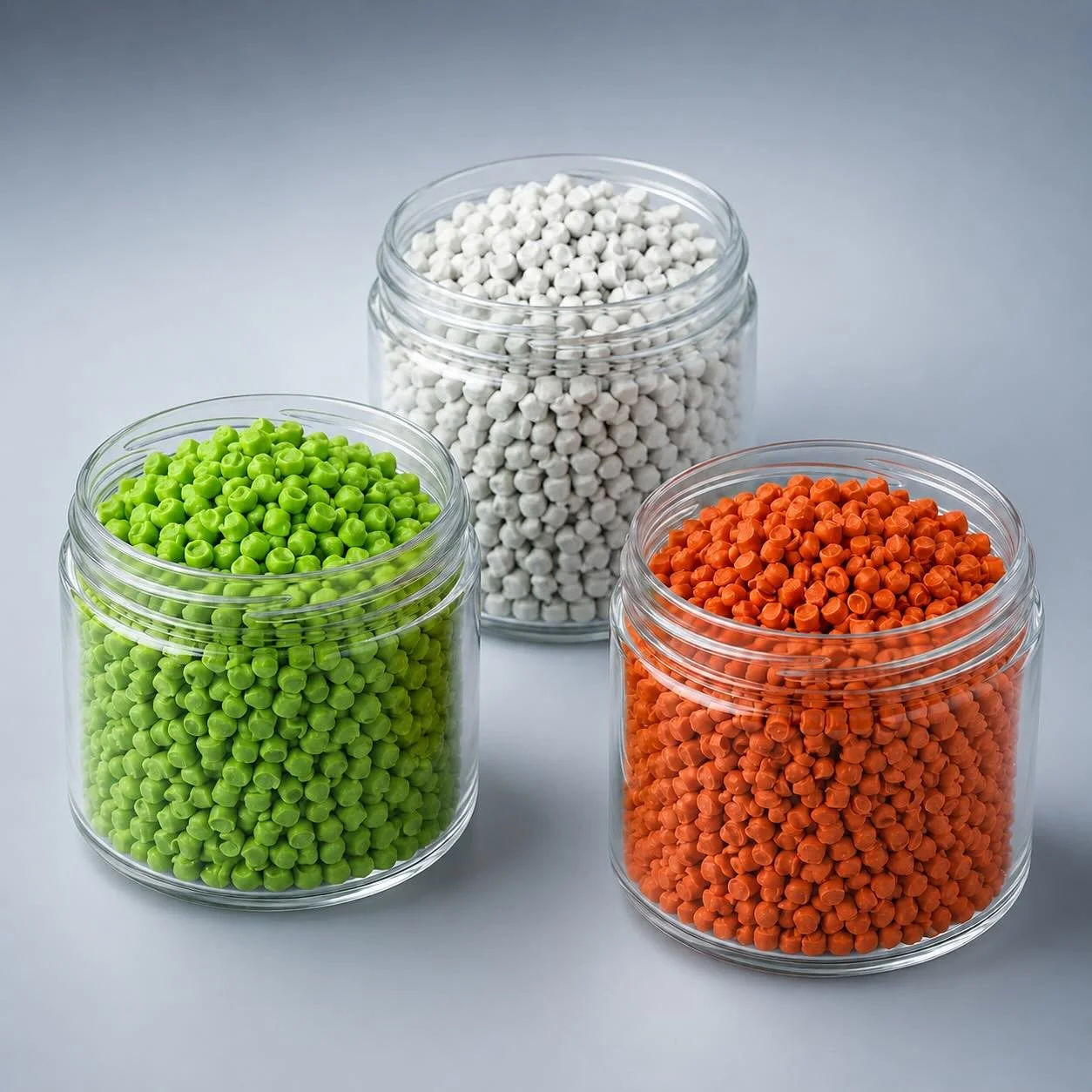
Ready-To-go, Lightweight Rubber Granules
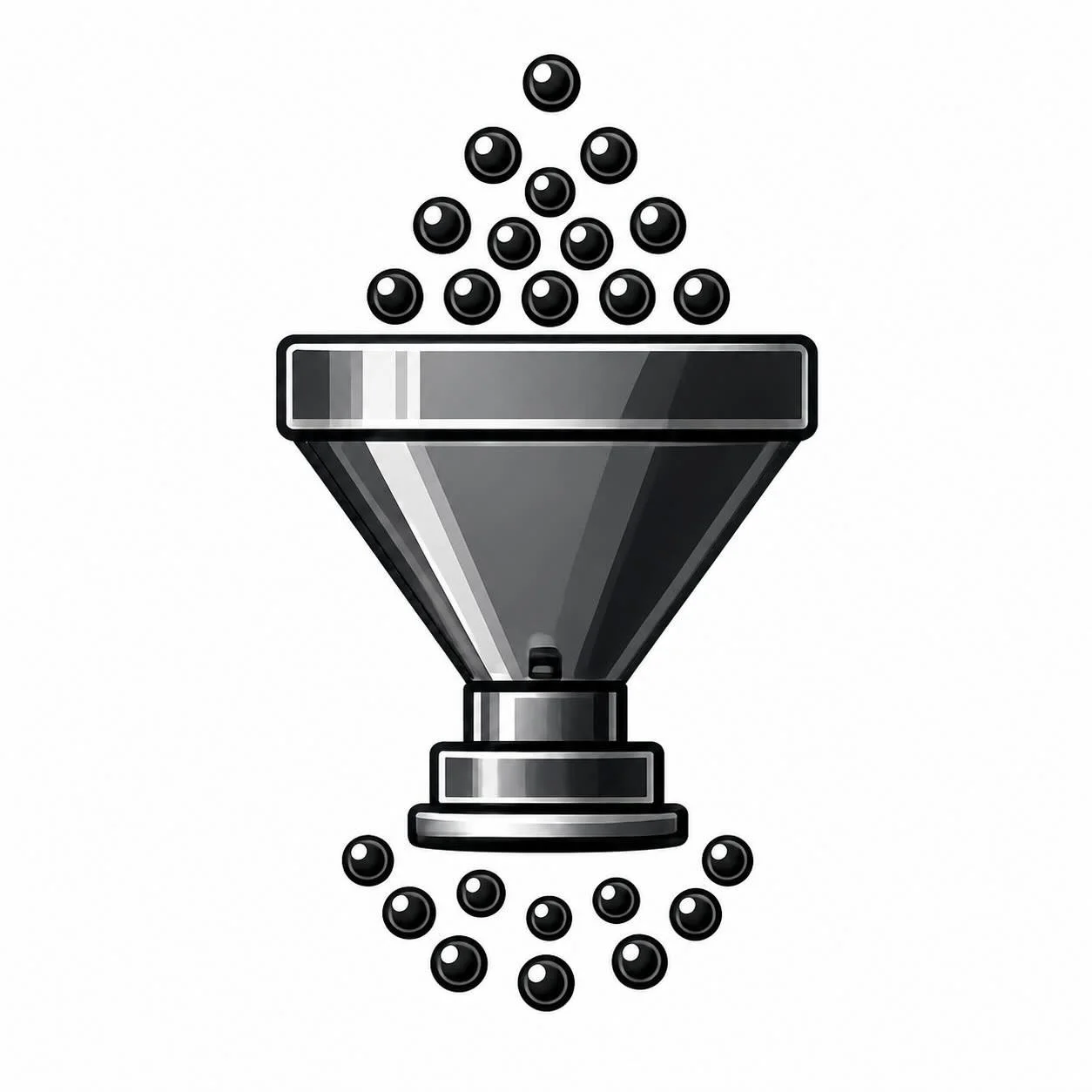
Our rubber granules are made to your color spec., mechanical performance, pre-vulcanized, and are ready-to-use for direct rubber injection molding. This eliminate all the preparation work of traditional rubber stock.
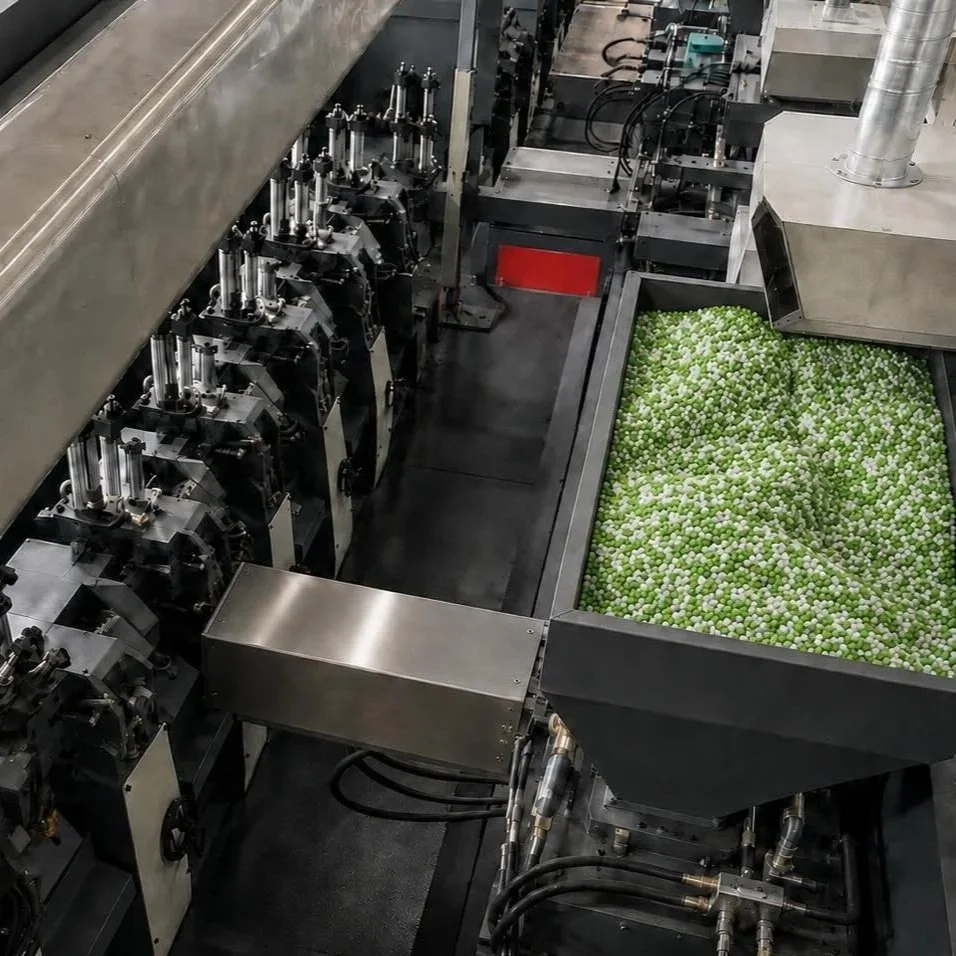
Direct Granule Feeding
Simply feed the pre-compounded rubber granule produced by Goaflex into the rubber injection molding machine feeder. Minimal labor requires as everything is semi-automatic.
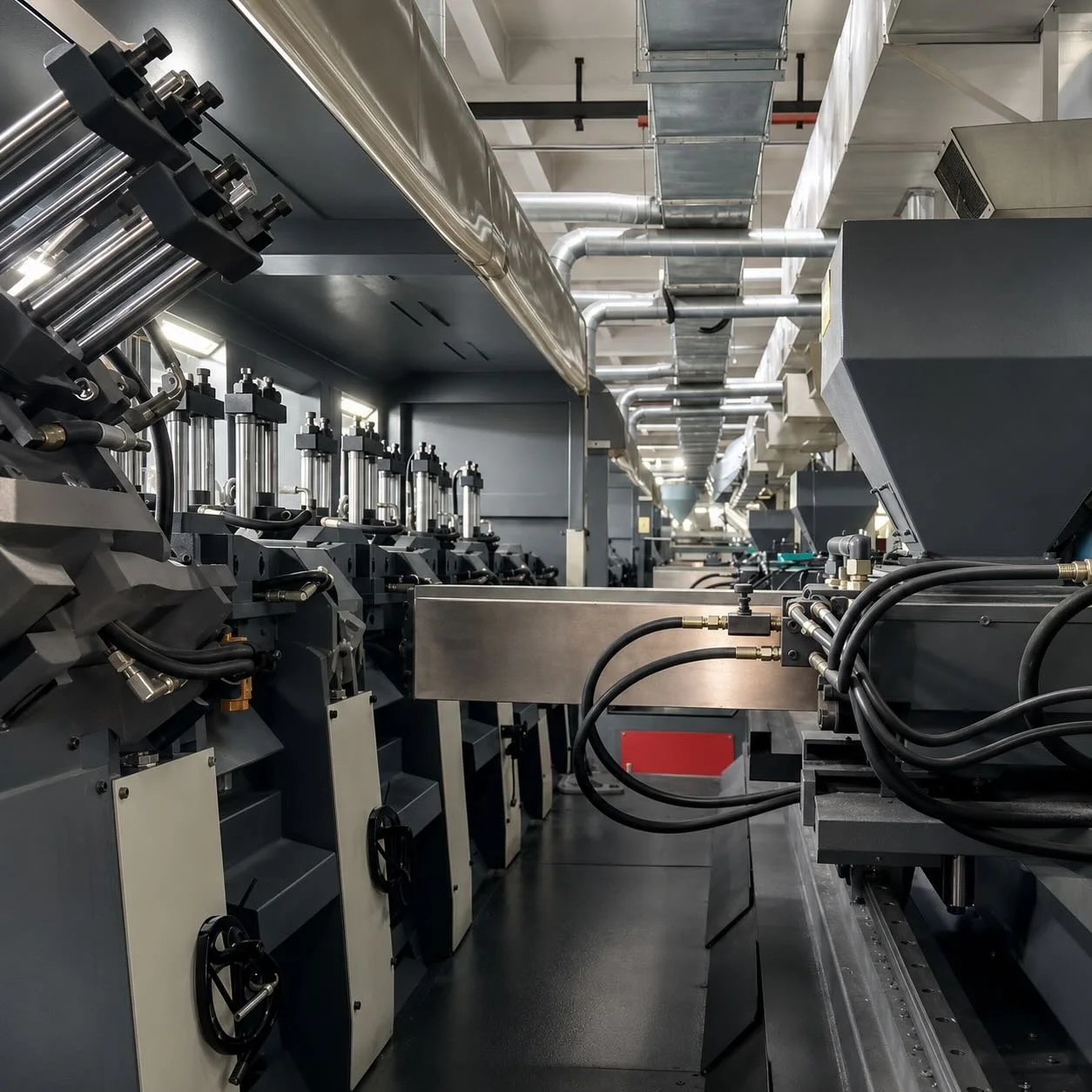
Automatic Rubber Injection
Rubber injection molding takes place as the high pressure nozzle inject the semi-molten rubber into the high temperature mold, which begins the rubber crosslinking. The machine also features automated de-molding process where.
Have a rubber outsole project?
Send your design, target hardness, volume, or current process. We can review whether direct rubber injection fits your production
The Injection Machine is Only Half the Solution
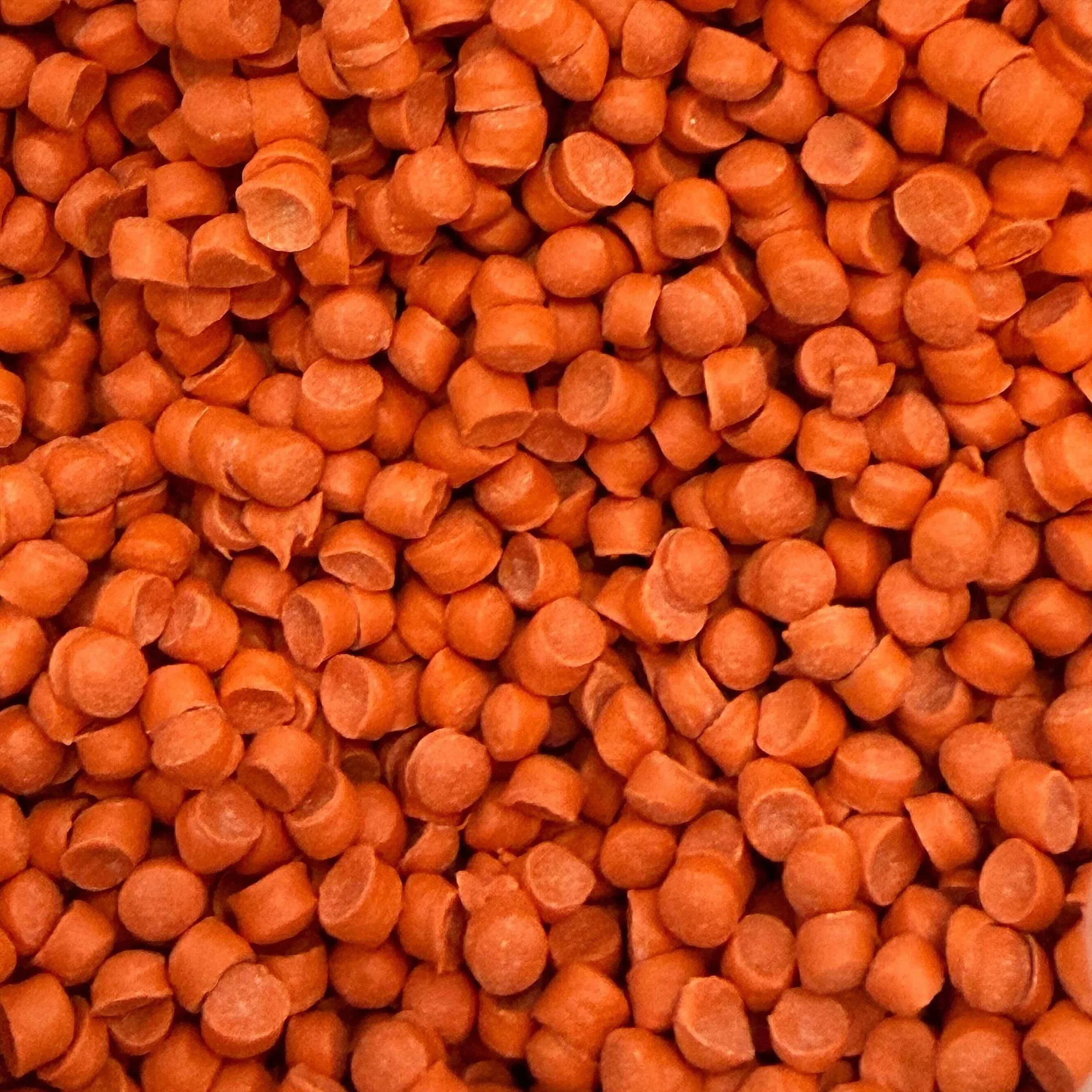
Rubber injection becomes much more interesting when the material is just as easy to use.
Goaflex proprietary rubber granules are supplied pre-mixed, pre-colored, pre-vulcanized and ready for injection, eliminating many of the conventional material-preparation steps.
Feed the granules into a compatible rubber injection system and you’re ready to produce.
No Sheet Preparation. No Cutting. Less Handling.
Do More with a Leaner Production Line
Traditional Rubber Molding
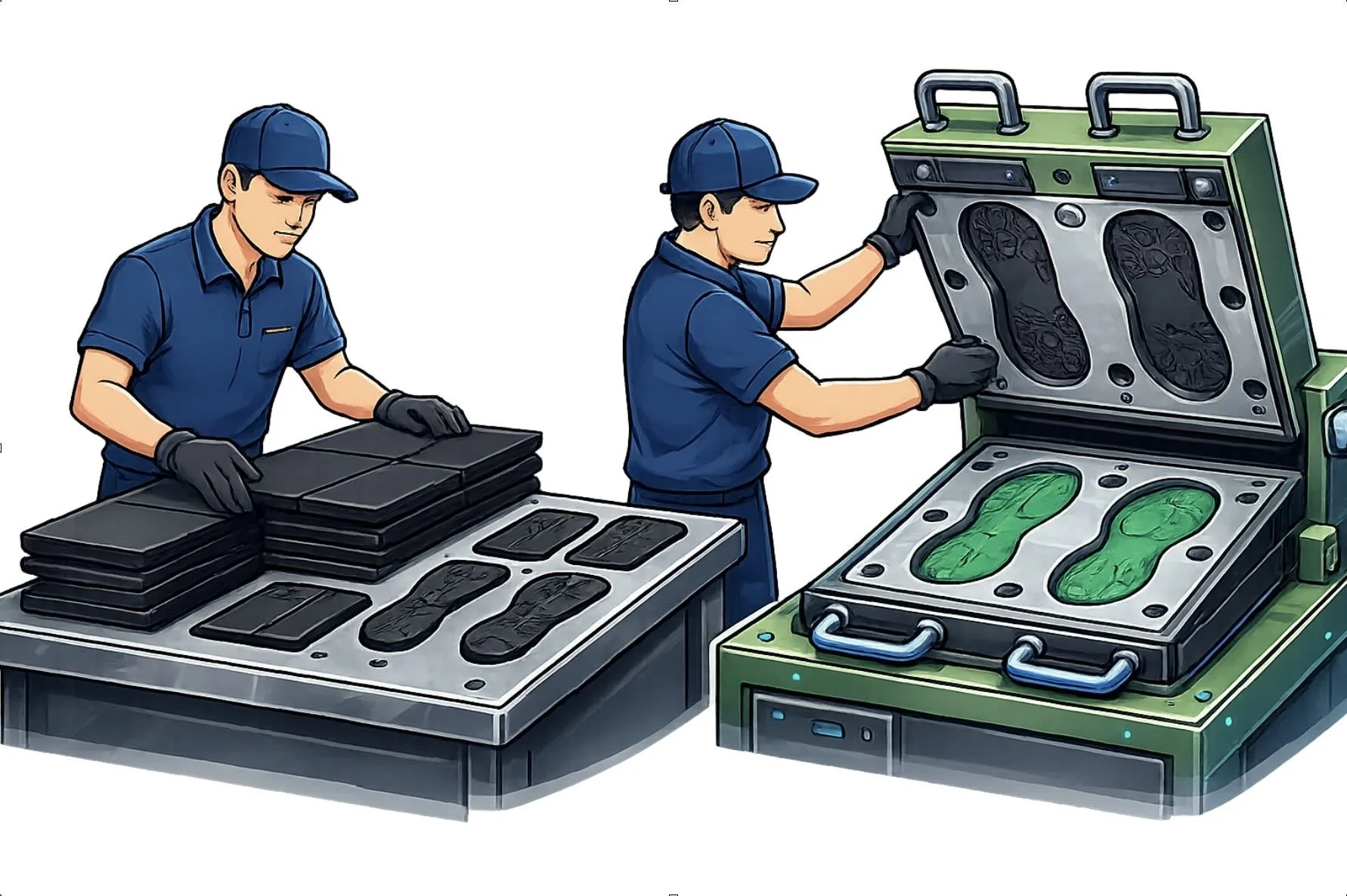
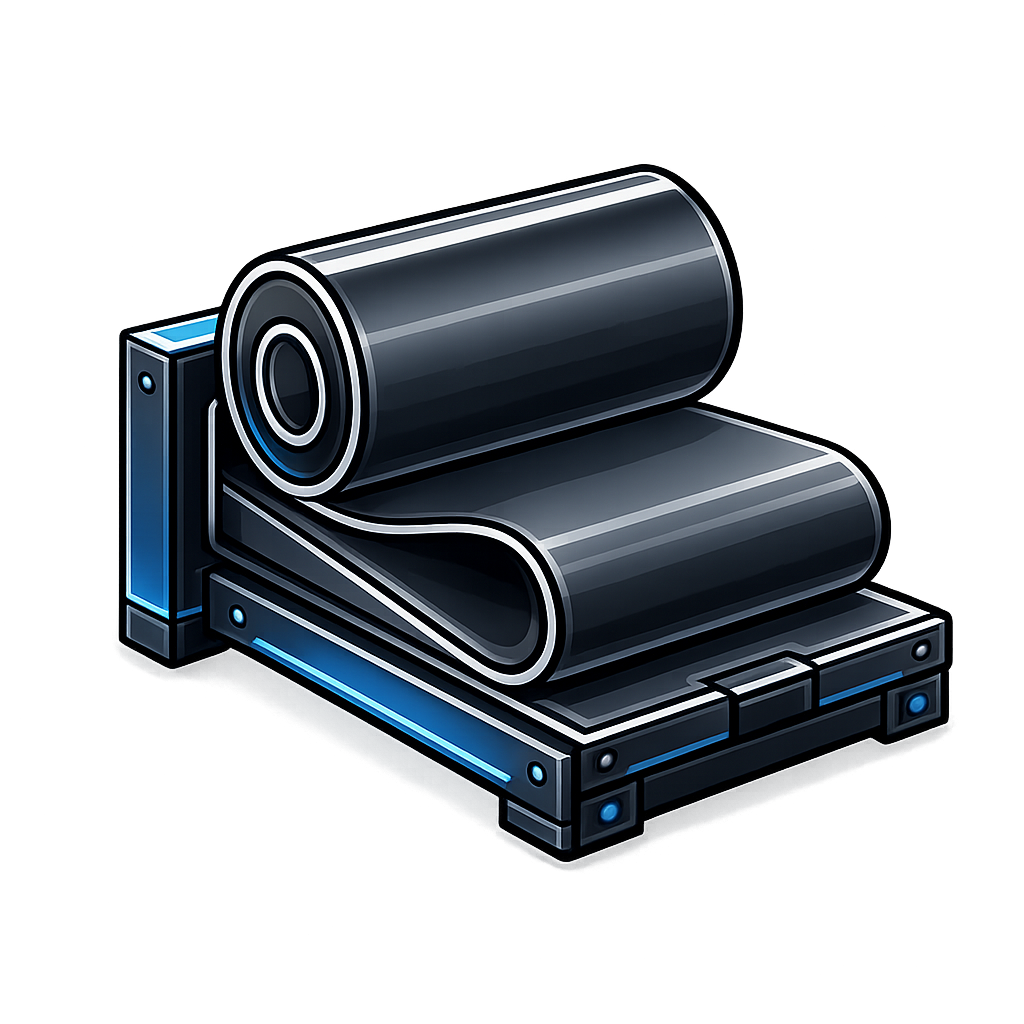
Rubber stock preparation, cutting, loading into the mold

Manual mold opening, handling, de-molding
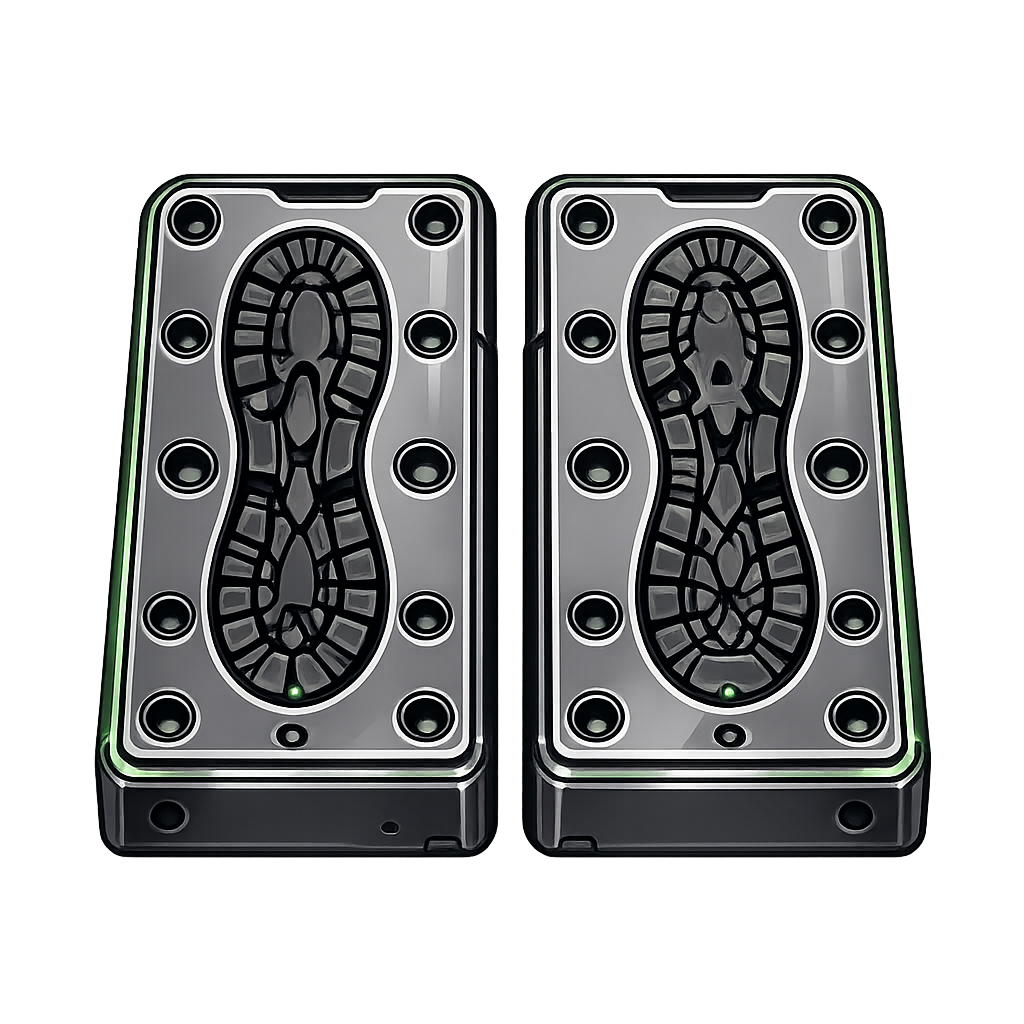
Goaflex Rubber Injection Molding
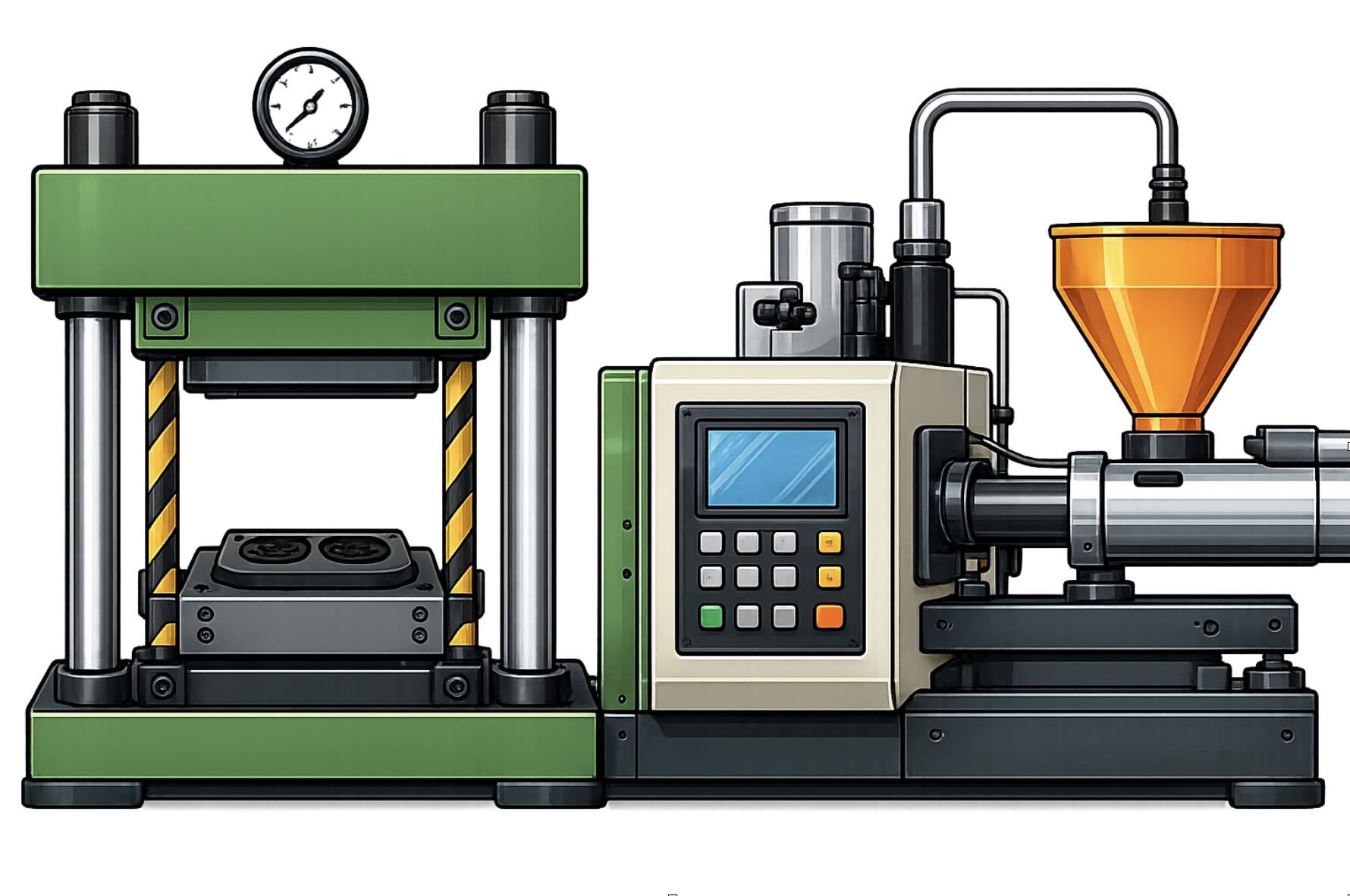
Ready-to-use rubber granule go into the automated feeder

Automatic mold opening, manual de-molding

For a 6 mold production line, the Goaflex rubber injection molding solution can reduce 83% labor required
Rubber Can Be Lighter than Water
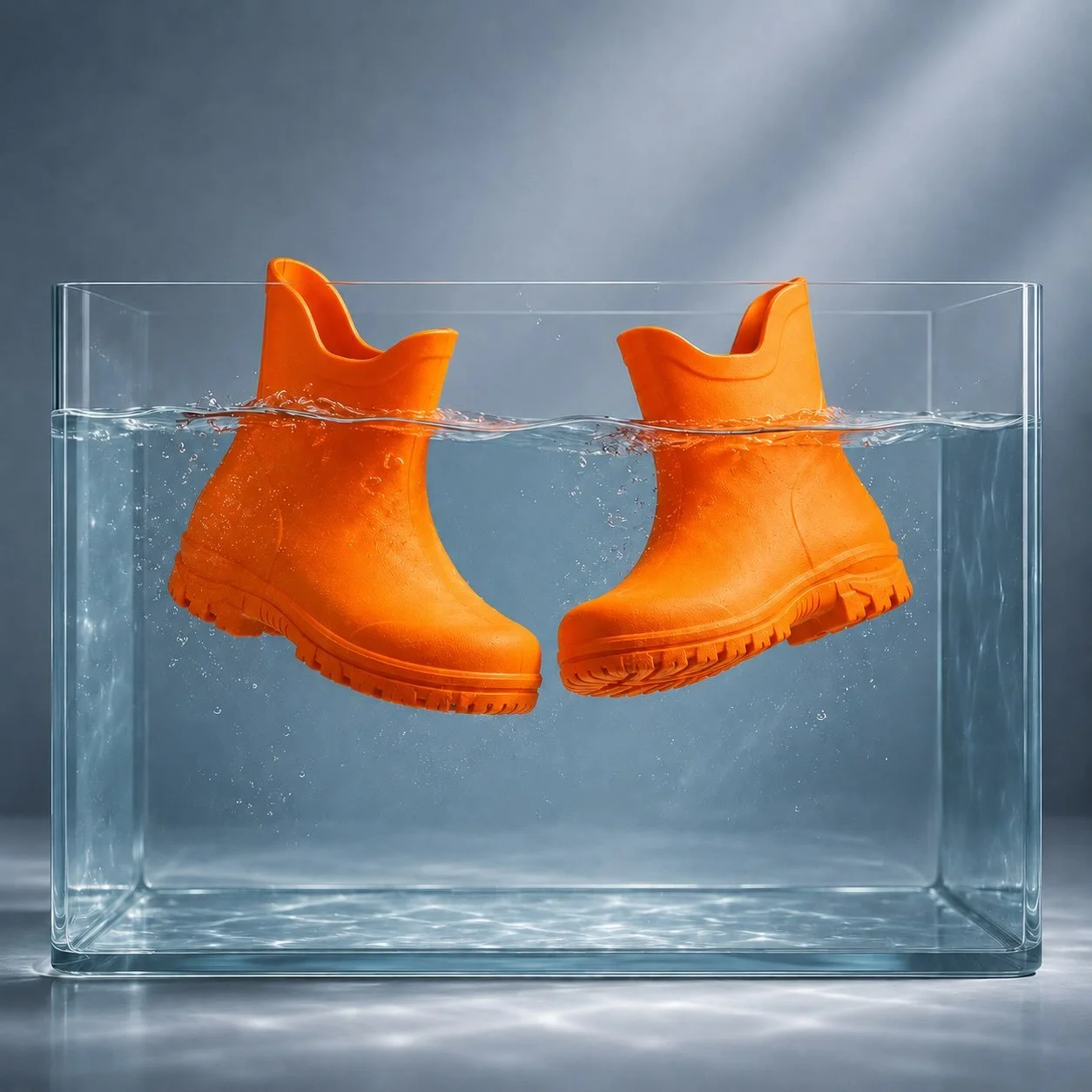
Goaflex can develop lighter rubber granule formulations for applications where component weight matters. Our rubber granule density can be as low as 0.95 kg/m^3.
Combine the durability and performance of rubber with new opportunities for lighter footwear construction.
Less weight. Same design freedom.
Design beyond the Limits of Traditional Rubber Molding
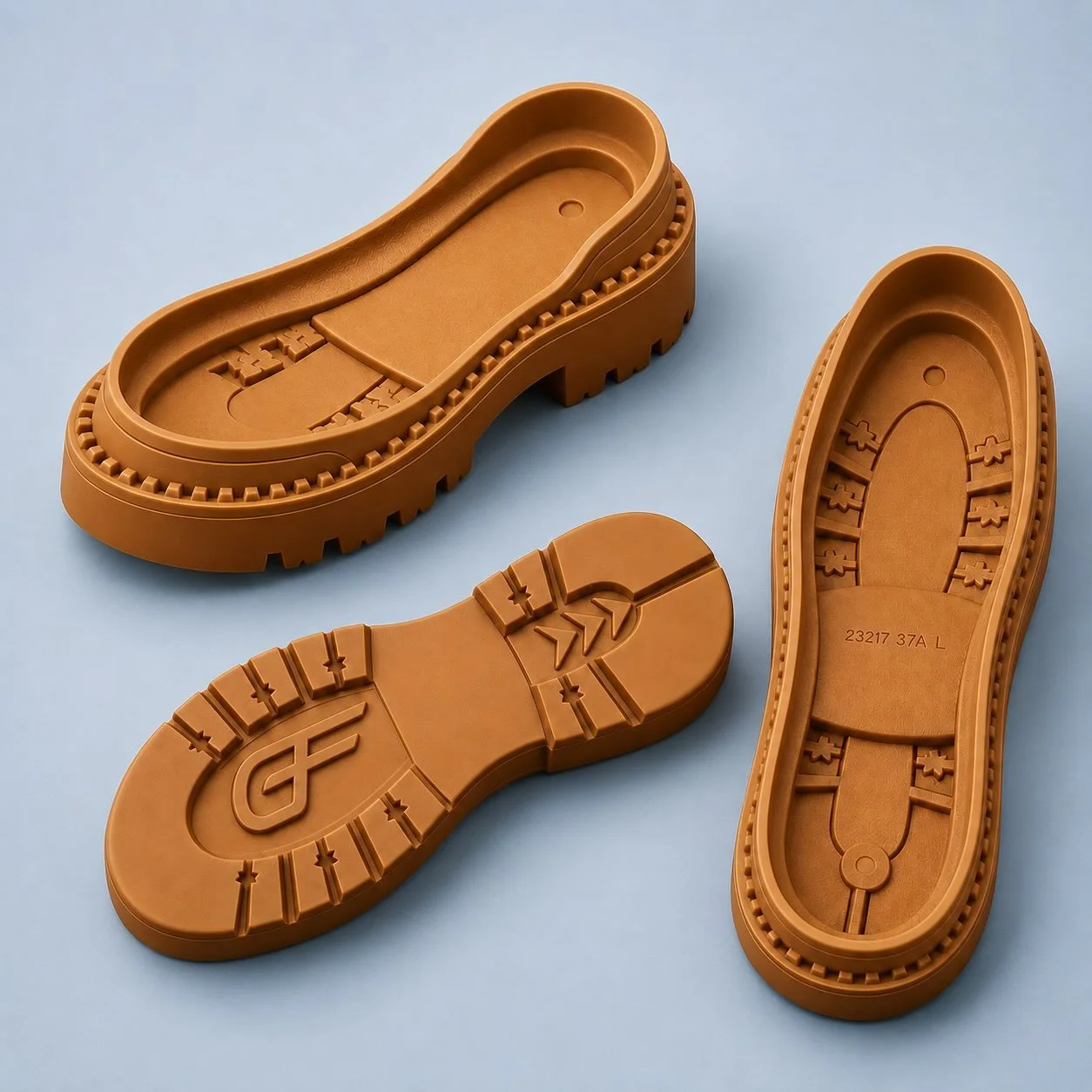
Rubber injection opens new possibilities for three-dimensional footwear design.
Create higher walls, deeper geometries, complex textures and wrap-around structures that can be difficult to achieve with conventional rubber molding.
If you can inject it, you can rethink it.
More Than an Outsole
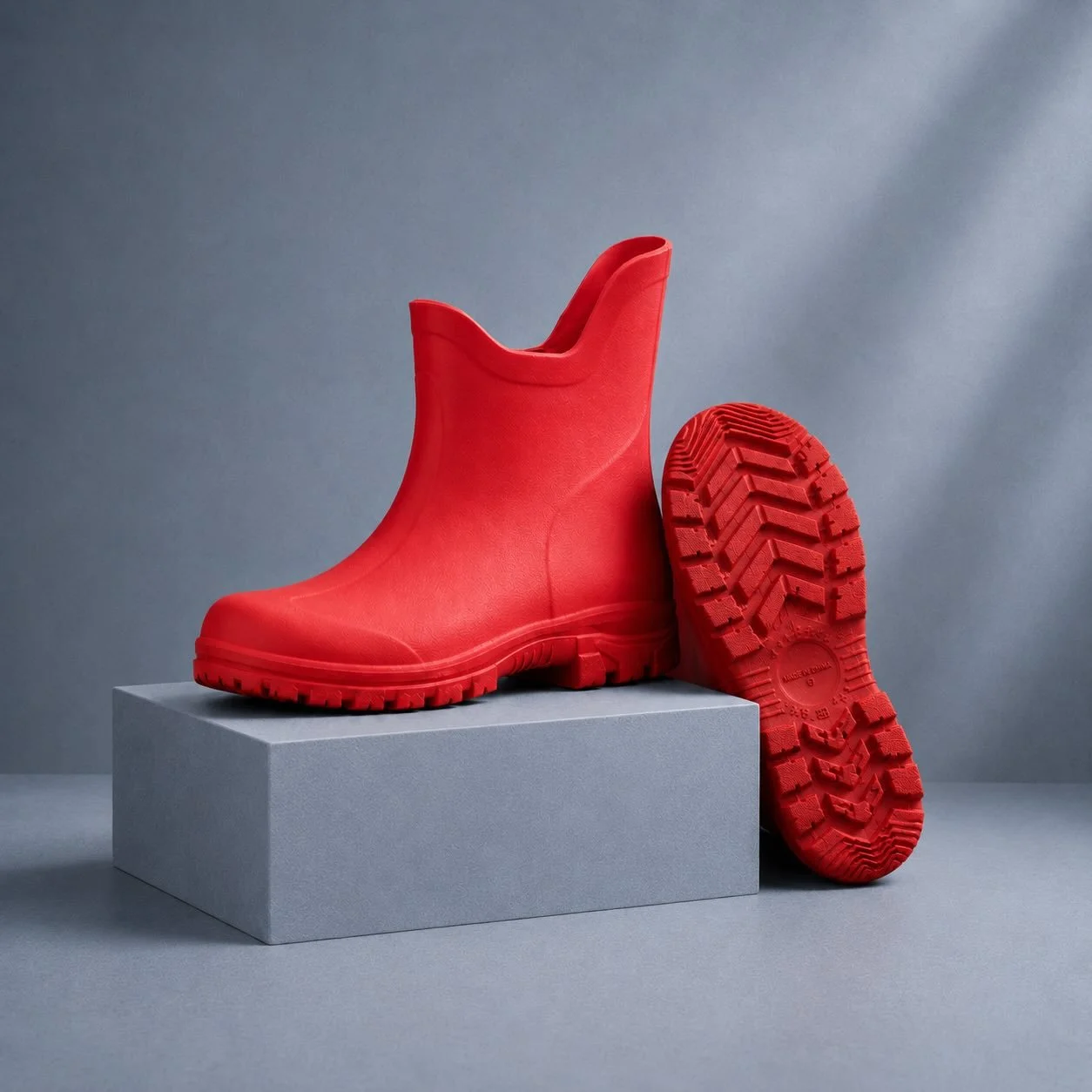
Think beyond conventional flat rubber components.
Wrap-Around Toe Caps
Integrated rubber protection for work, outdoor and safety footwear.
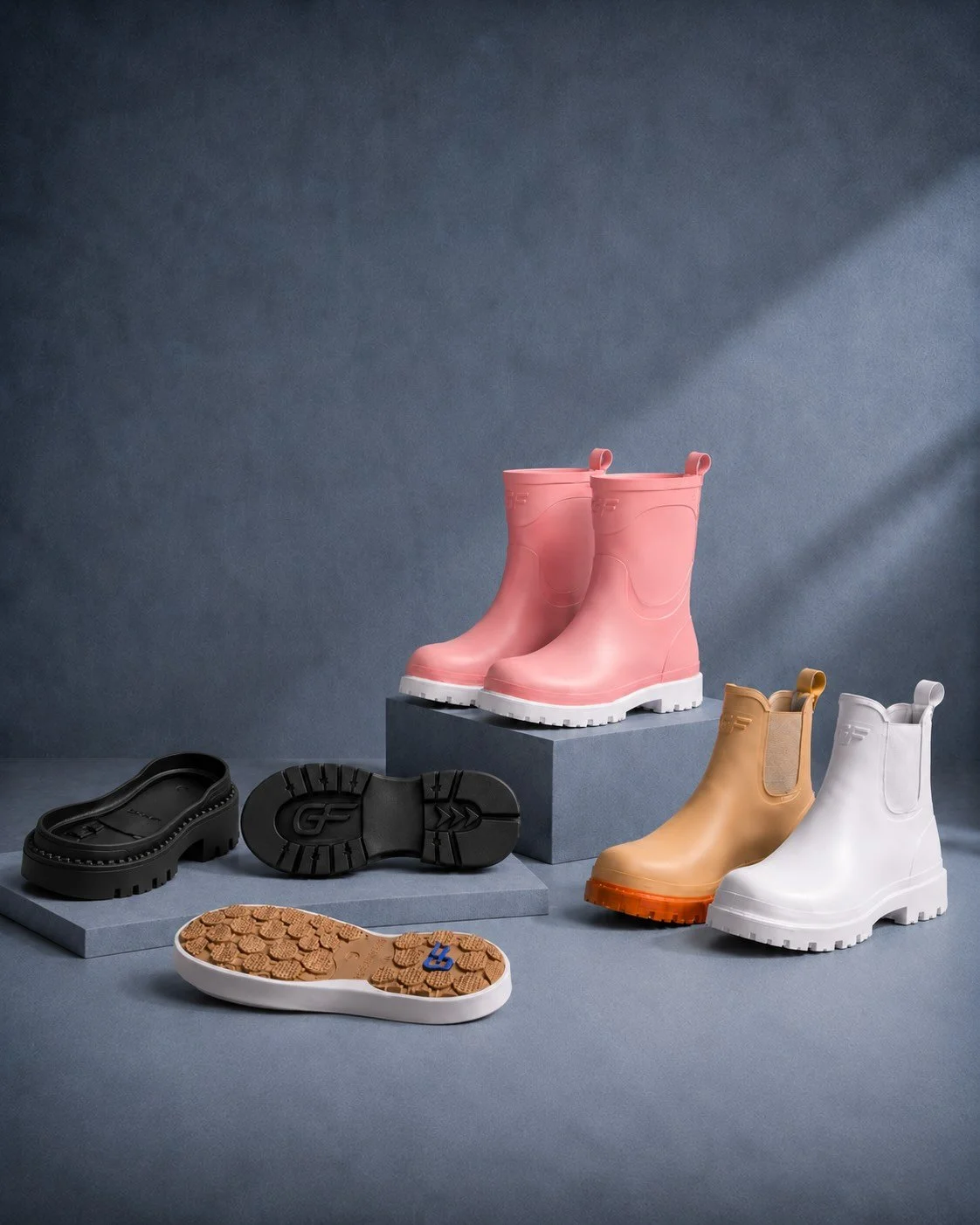
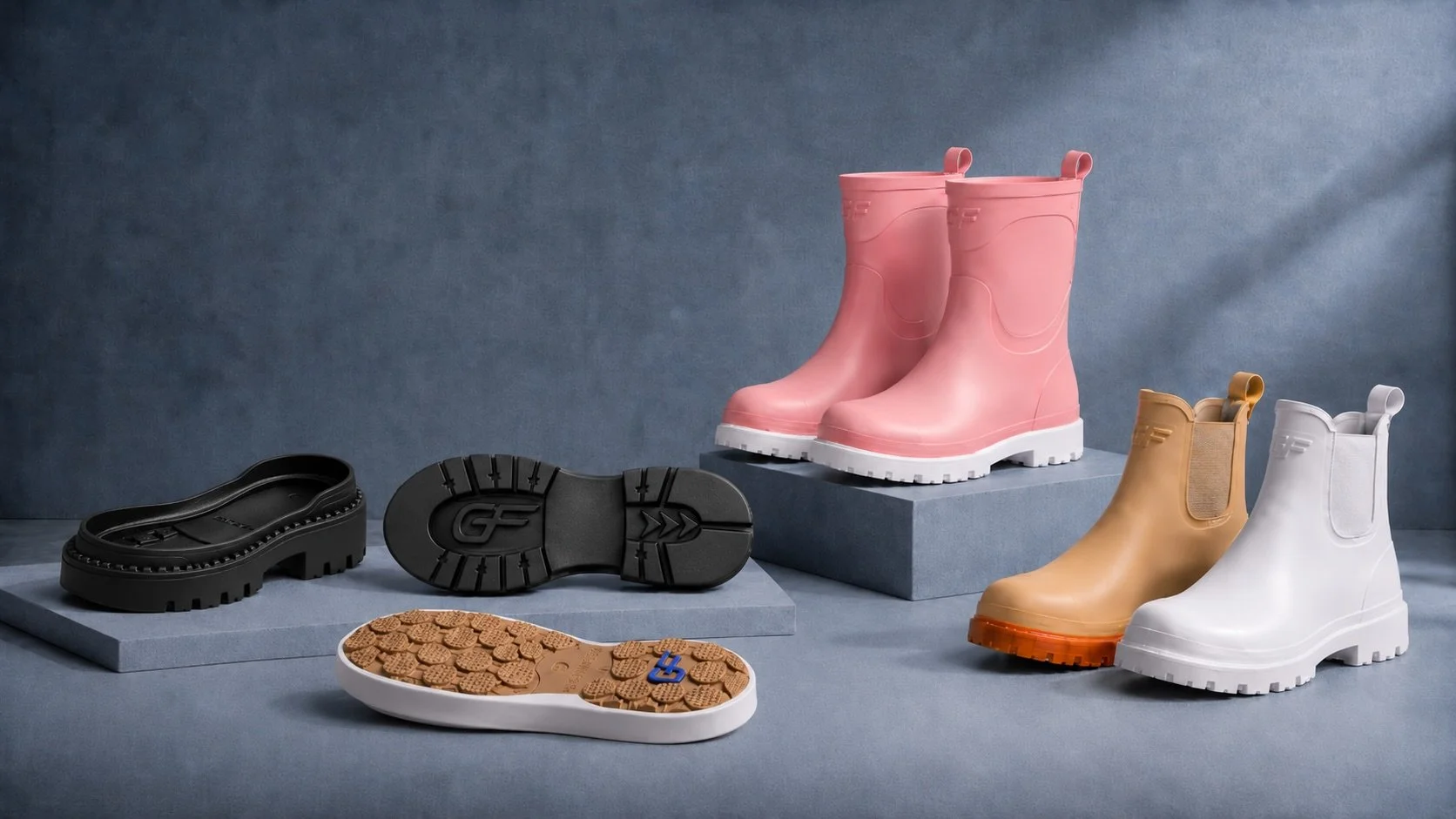
Short Rain Boots
Explore one-shot injected rubber structures with significantly greater vertical geometry.
Complex Rubber Components
Turn designs that traditionally require multiple processes into simpler molded structures.
Make the Rubber Part of the Design
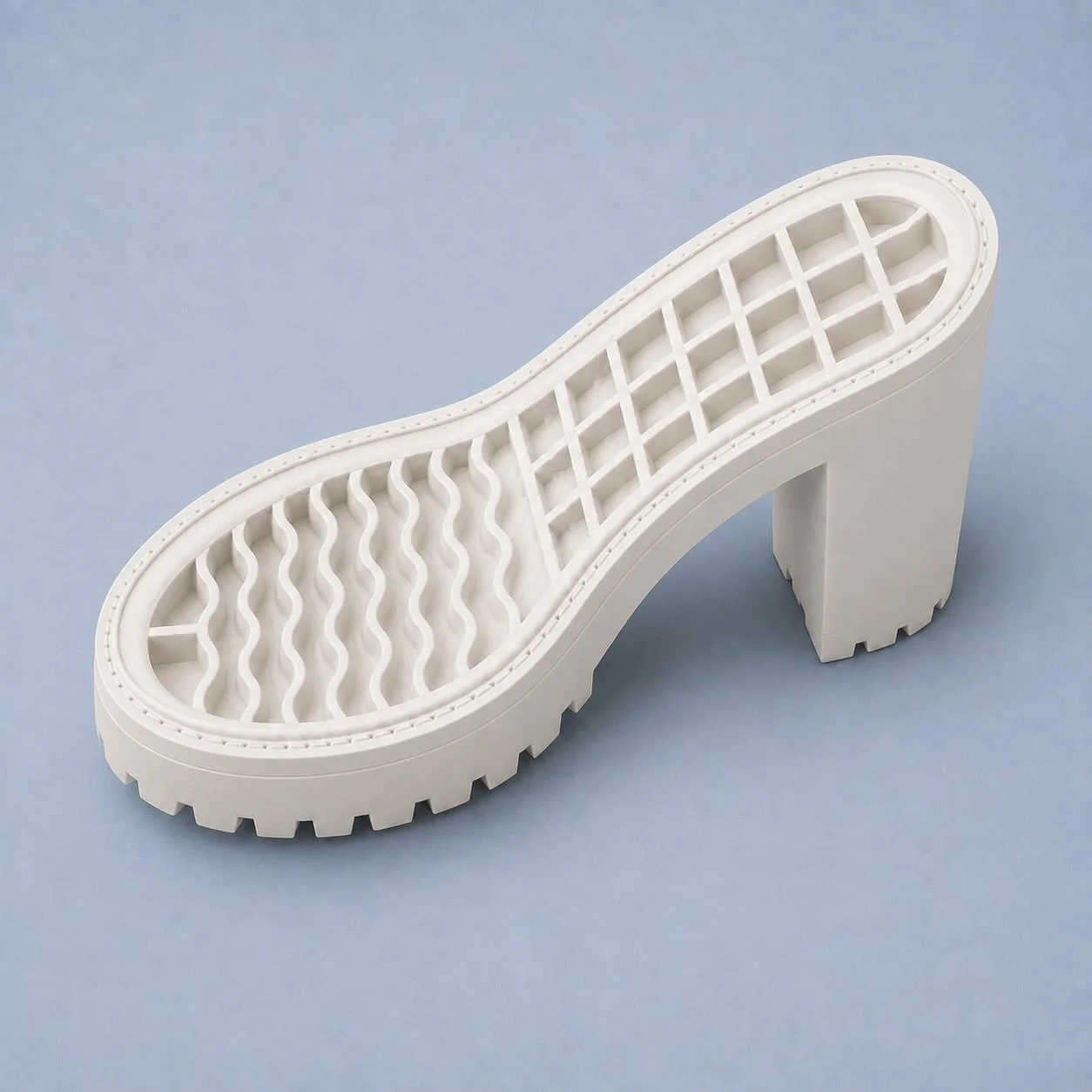
Injection molding isn’t only about production efficiency. It gives designers greater control over the appearance and geometry of the finished rubber component.
Clean white surfaces. Crisp details. Complex textures. High sidewalls. Difficult geometries.
It also creates new possibilities for clean white and colored rubber components, reducing the need for secondary finishing or painting in suitable applications.
Efficient at Scale - When Mold Planning is Done Right
Capacity Estimate
Cycle Time
1.5~4min
Output/Mold/Day
400 Pairs
Molds/Machine
6 Molds/Person
Goaflex Production
2M+ Pairs/Yr
Rubber injection can improve output and cost structure by reducing steps, manual handling, waste, and re-work. The key upfront consideration is tooling investment and injection machine.
Rubber Injection Molding Granule Technical Spec
| Physical Property | Test Method | MRB-60-65-A | MRB-60-65-B | MRB-60-65-C |
|---|---|---|---|---|
| Hardness | ASTM D2240 | Shore A 60–65 | Shore AS 60–65 | Shore A 53 ± 2 |
| Density | ASTM D792 | 0.93 ± 0.03 | 1.05 ± 0.05 | 1.15 ± 0.05 |
| Tear Strength | DIN 53515 | 40 kg/cm² | 55 kg/cm² | 60 kg/cm² |
| Tensile Strength | ASTM 412 | ≥ 90 kg/cm² | ≥ 110 kg/cm² | ≥ 110 kg/cm² |
| Elongation at Break | ASTM 412 | ≥ 500% | ≥ 700% | > 700% |
| Abrasion | DIN 53516 | < 130 mm³ | < 110 mm³ | < 110 mm³ |