
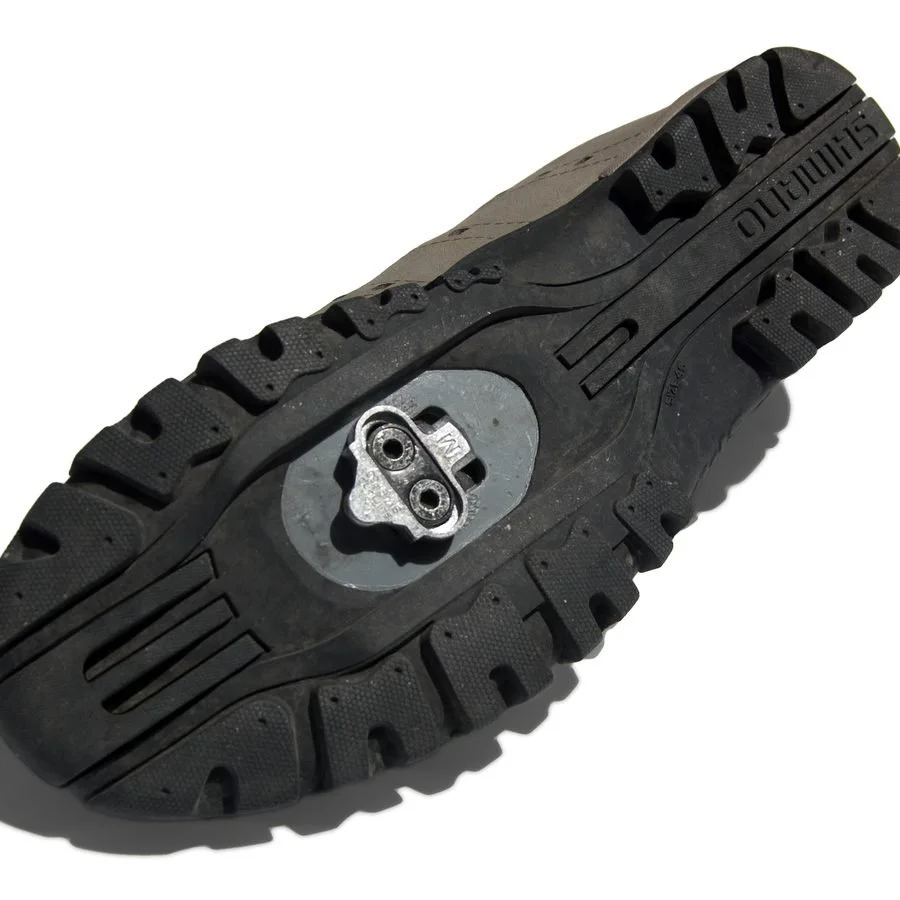
TPU Outsole Grip Is Not One Number: How to Validate Slip Resistance Across Surface, Contaminant, and Tread
TPU outsole grip depends on the interaction among compound, tread, floor, contaminant, temperature, and wear. Build a defensible slip-resistance validation plan.
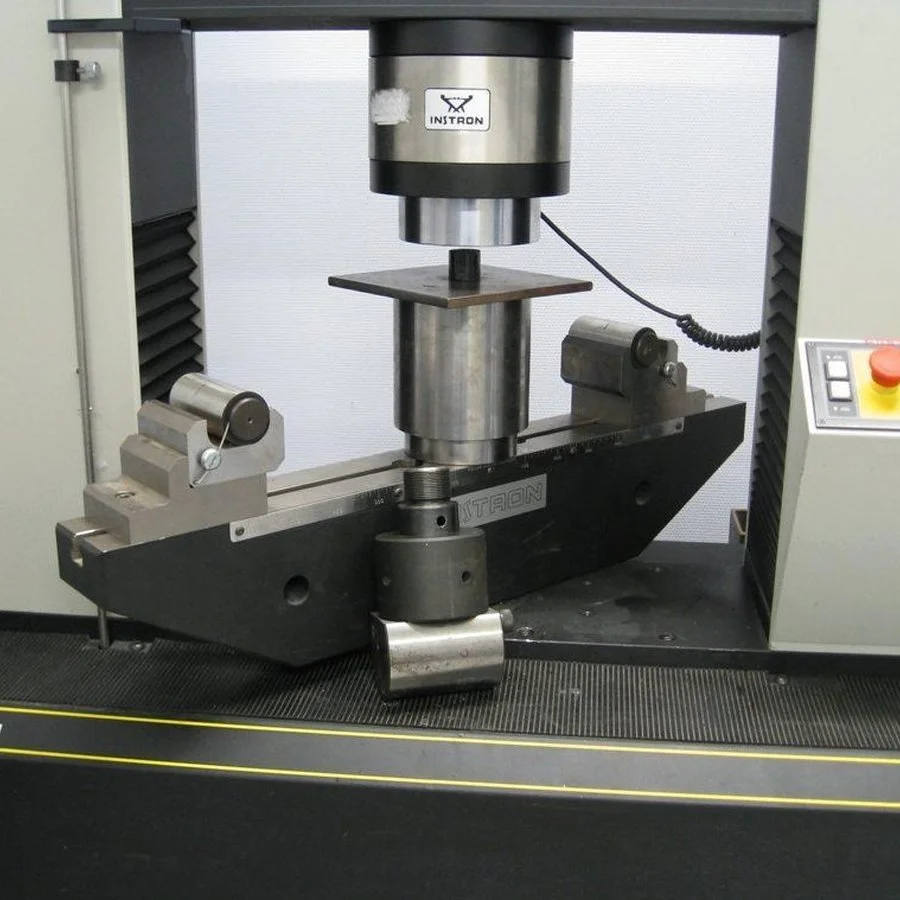
TPU Compression Set, Creep, and Stress Relaxation: What Long-Term Load Tests Actually Tell You
Compression set, creep, stress relaxation, and rebound answer different long-term load questions. Learn how to match the test to seals, cushioning, rollers, and overmolded parts.
Why TPU Turns White When Bent or Stretched: A Practical Guide to Stress Whitening, Splay, Bloom, and Surface Damage
A practical decision guide for separating TPU stress whitening from molding splay, additive bloom, abrasion, delamination, and cracking.
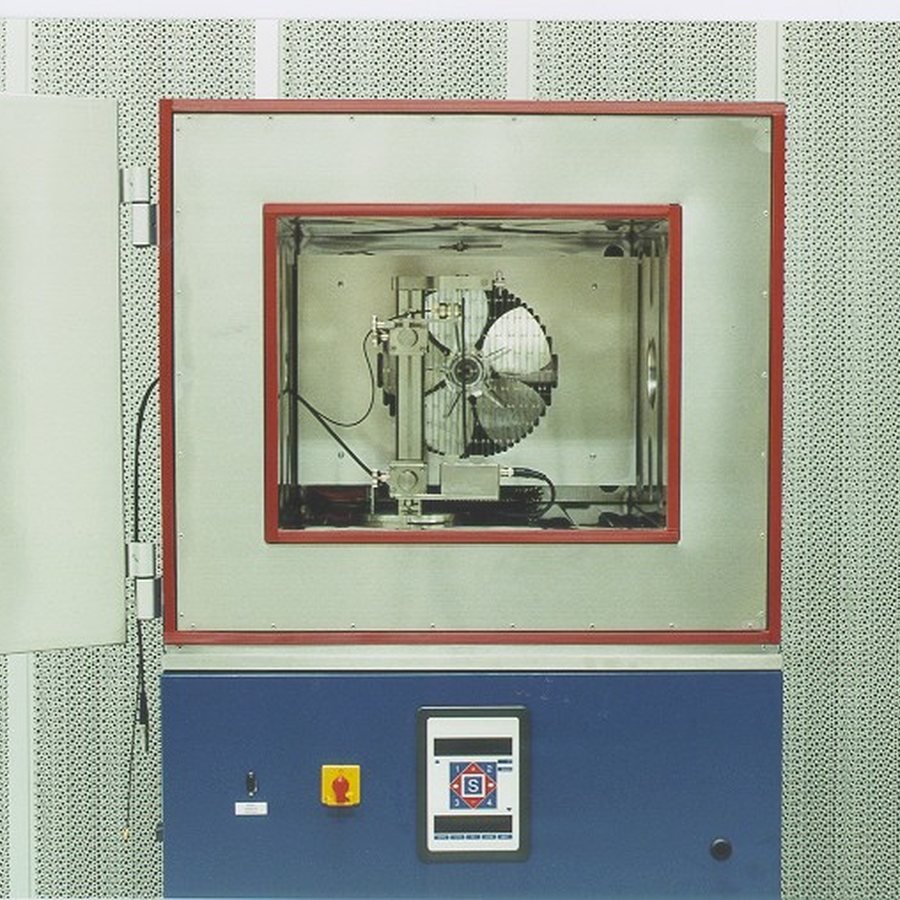
TPU Temperature Ratings Explained: How to Use Tg, DMA, Heat Distortion, and Finished-Part Testing
A practical guide to understanding TPU glass transition, DMA, heat-distortion, softening, aging, and finished-part temperature validation.
TPU Film Blocking and Winding: How to Balance Release, COF, Clarity, and Bondability
Troubleshoot TPU film blocking, poor unwind, wrinkles, and telescoping by balancing cooling, winding, COF, release strategy, clarity, and downstream bonding.
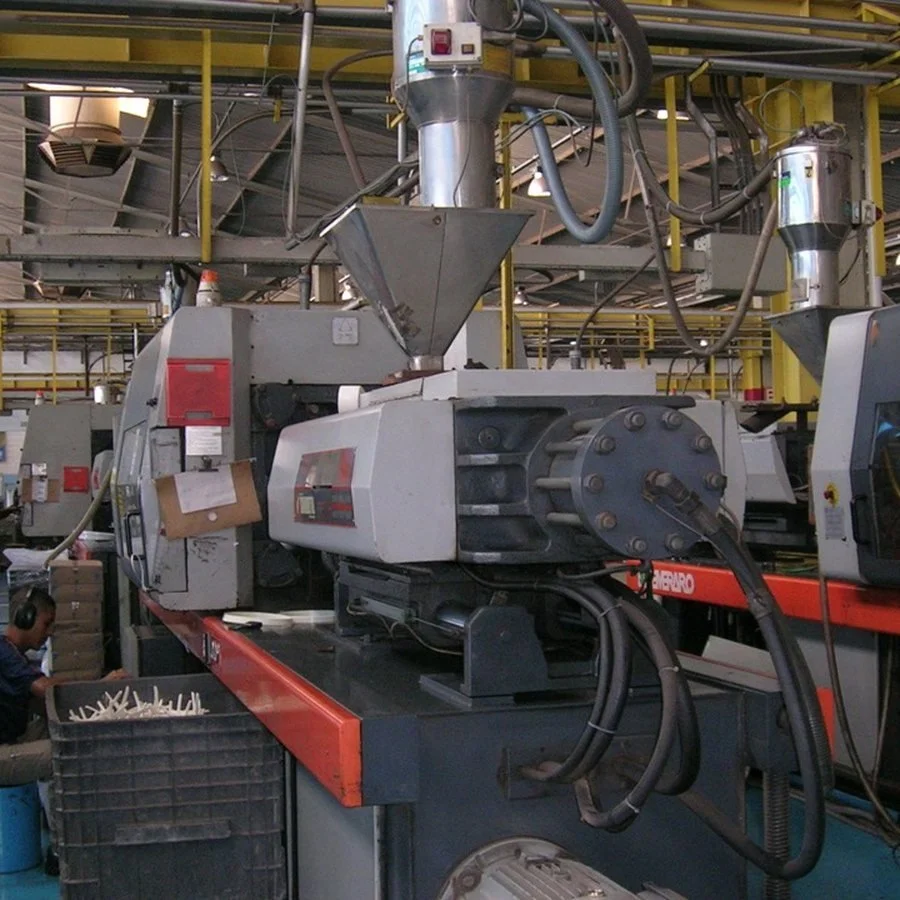
Thin-Wall TPU Injection Molding: How Flow, Gate Design, and Shear Shape Part Quality
Thin-wall TPU quality is not controlled by wall thickness alone. Learn how to evaluate flow length, gate and vent design, shear, fill-to-pack transfer, cooling, and production-intent validation before approving a part.
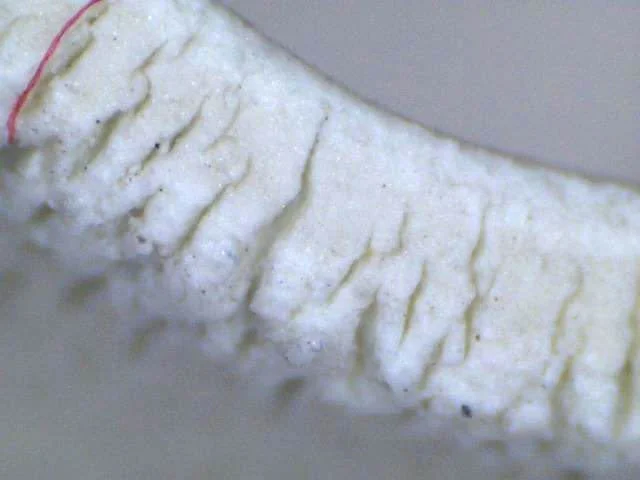
TPU Tear Strength and Flex-Fatigue: How to Prevent Cracks from Becoming Field Failures
Understand how TPU tear initiation, crack propagation, repeated flexing, geometry, processing, and service aging combine to create field failures.

TPU Air Retention Is Not Just a Seam Test: How to Separate Film Permeation, Pinholes, Valves, and Weld Leaks
Air loss is not automatically a bad weld or high film permeability. Use this staged workflow to separate test artifacts, valve and seam leaks, pinholes, and distributed gas transmission.
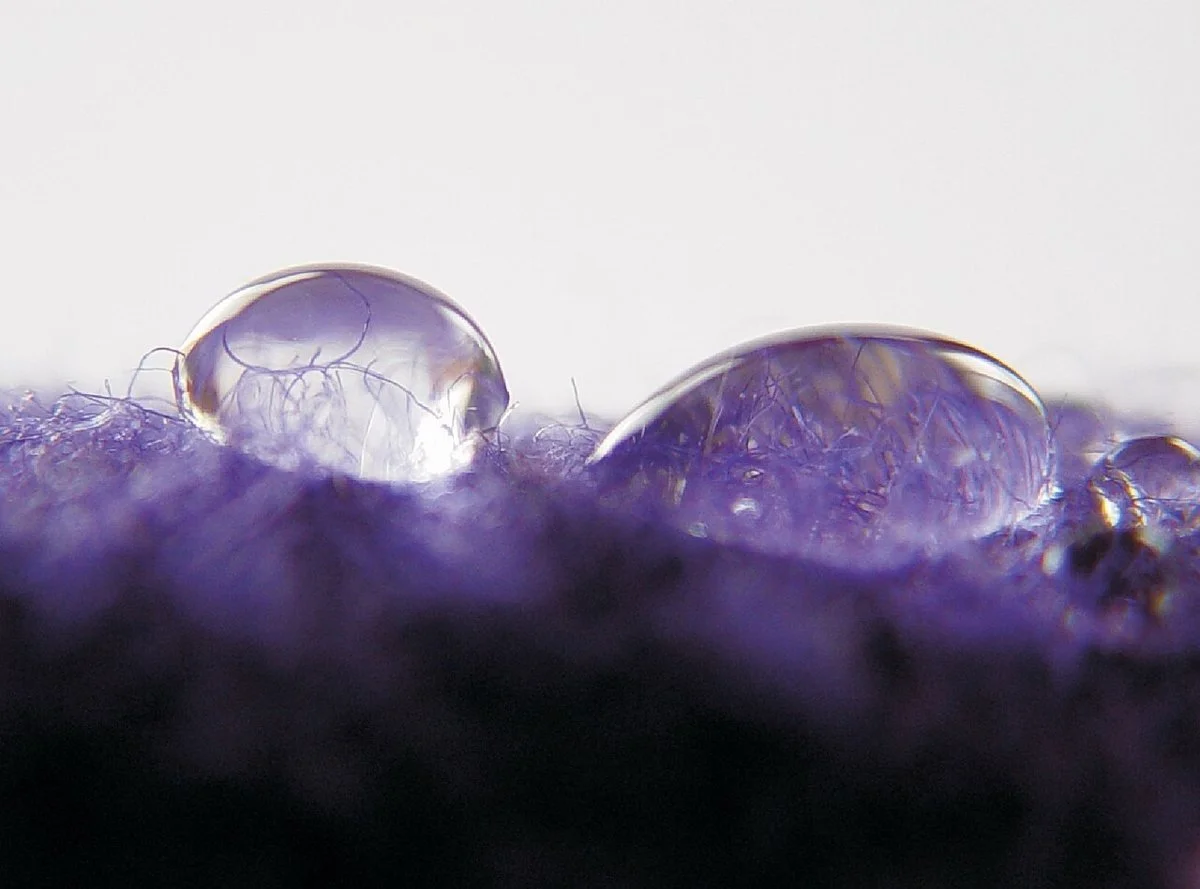
Bonding TPU Hot-Melt Films to DWR-Treated Nylon: Diagnose Adhesion Before Blaming the Adhesive
When TPU hot-melt film peels from DWR-treated nylon, test the surface and bond-line process before changing adhesive. This staged diagnostic separates finish, contamination, heat, pressure, thickness, and failure-mode effects.
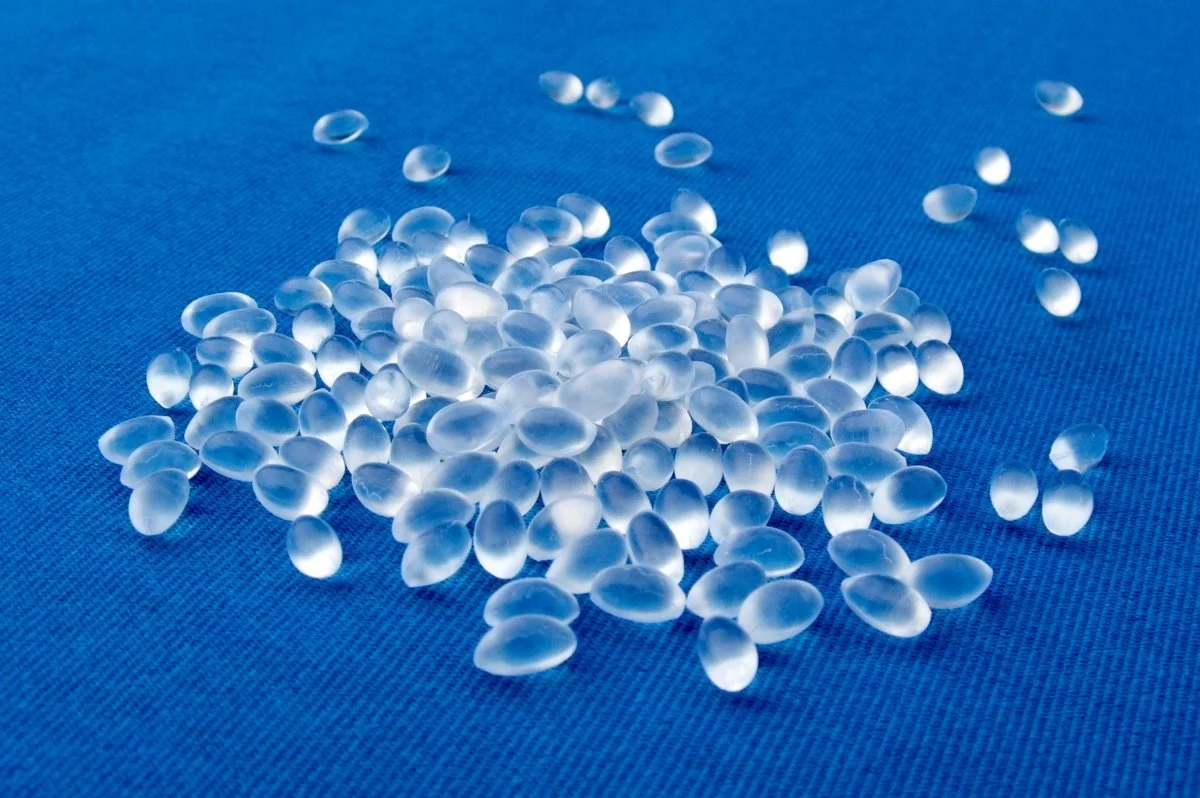
TPU Hydrolysis Testing: How to Build an Aging Plan for Humidity, Water Immersion, and Real Service Conditions
A hydrolysis-resistant label is not a complete qualification plan. Learn how to combine humidity aging, water immersion, retained-property testing, and finished-part service simulation for TPU.
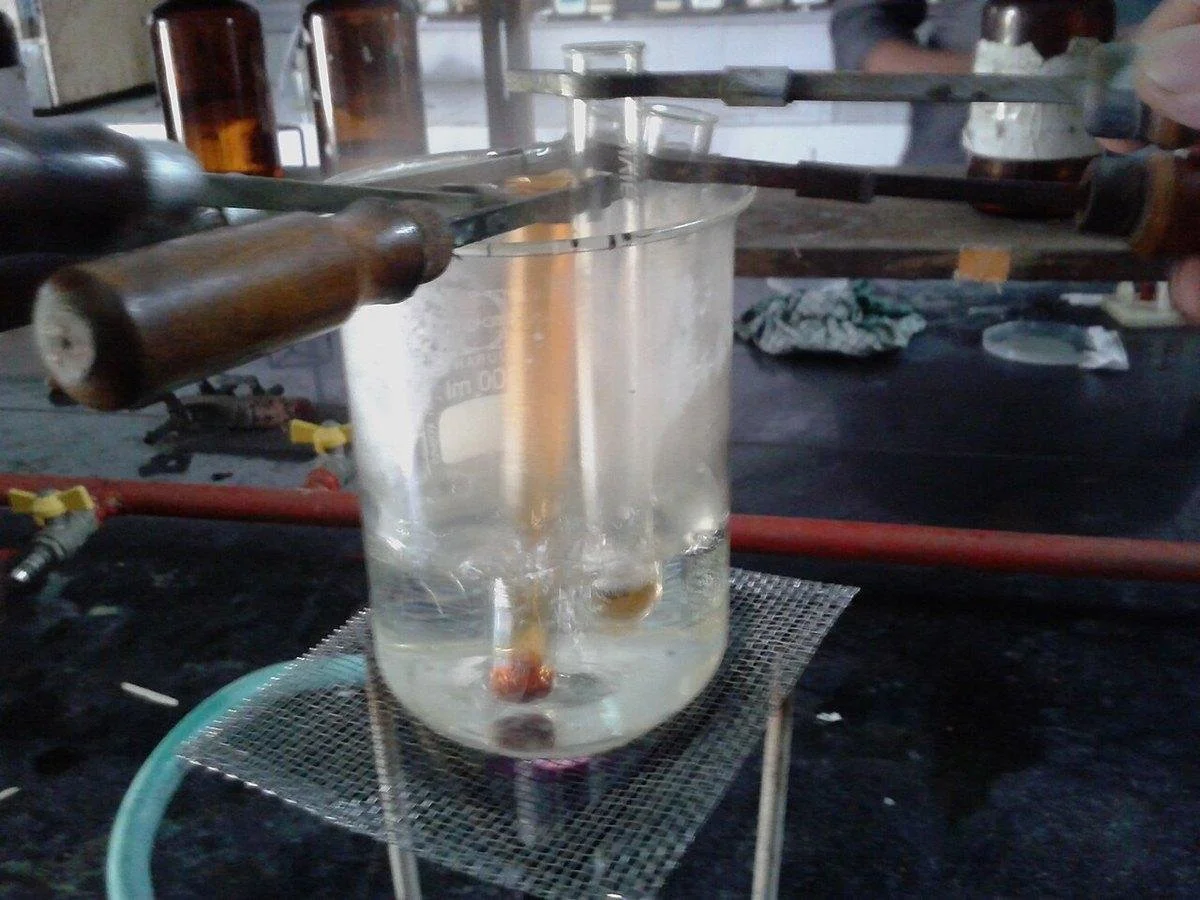
TPU Chemical Resistance: How to Validate Oils, Fuels, Cleaners, and Sweat Before Material Approval
TPU chemical resistance depends on the exact grade, fluid, concentration, temperature and stress. Learn how to build a practical exposure and finished-part validation plan.
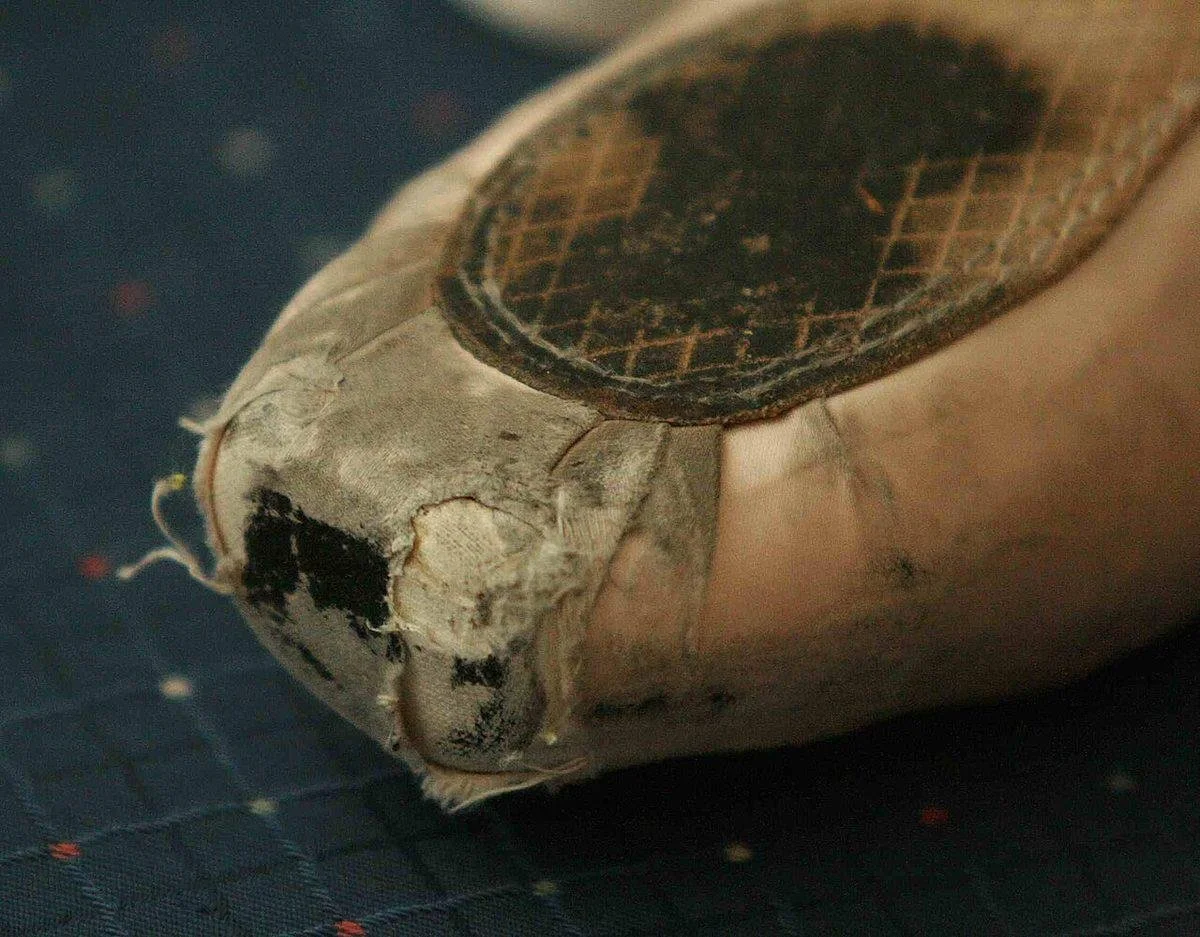
TPU Abrasion Testing: Why DIN Abrasion, Taber Wear, and Finished-Part Tests Give Different Answers
DIN/ISO drum abrasion, Taber wear and finished-part tests answer different questions. Learn how to compare TPU wear results and build a defensible validation plan.
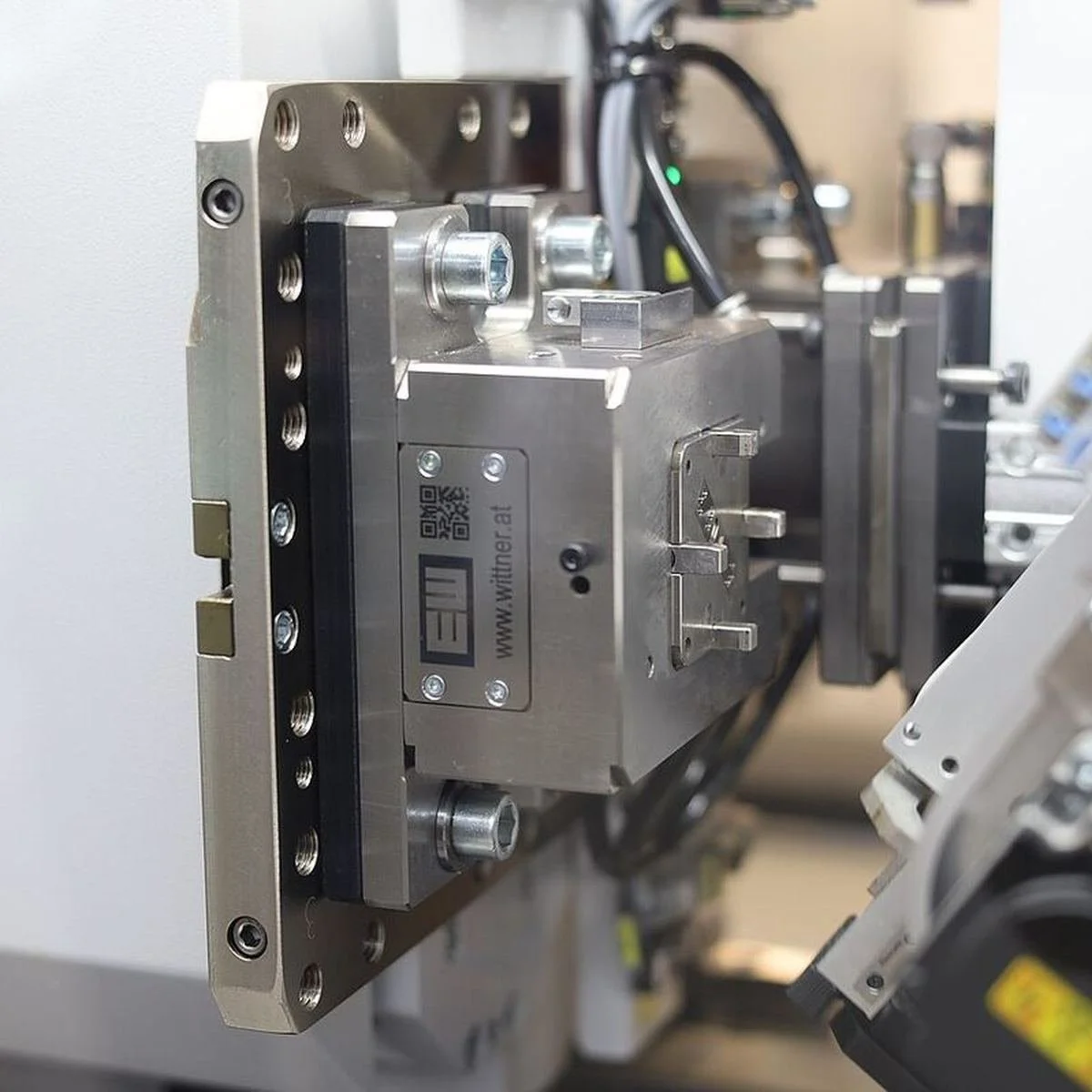
How to Make Better TPU for Injection Molding: Improve Crystallization and Shorten Cycle Time
Faster TPU molding is not simply a matter of maximizing crystallinity. Learn how formulation, moisture, mold temperature, tooling and part-level validation determine reliable demolding speed.
Using TPU Regrind in Production: A Validation Guide for Injection Molding and Extrusion
TPU is thermoplastic, but that does not make every scrap stream safe to reuse. Learn how to control identity, drying, processing history, traceability and finished-product validation.
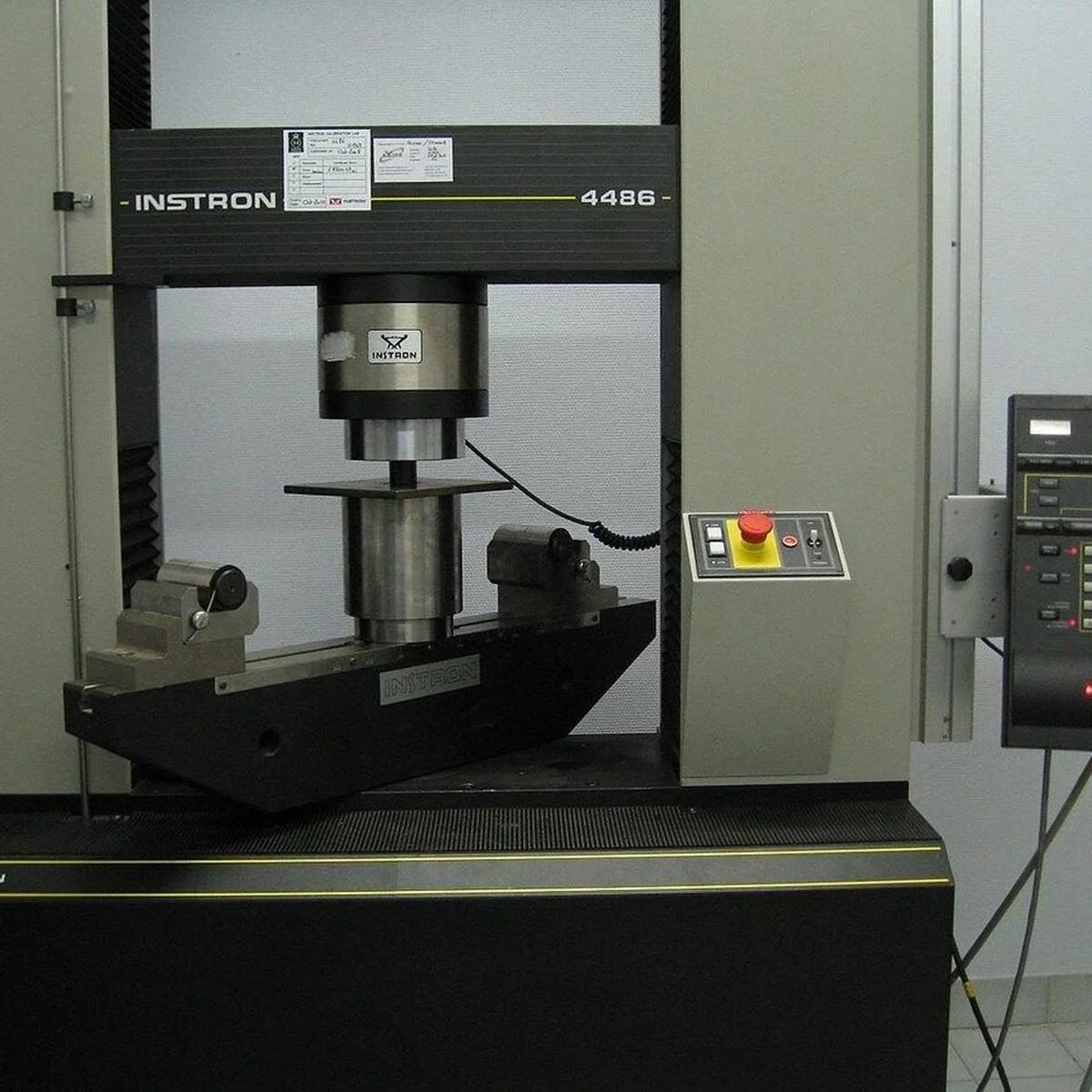
How to Read a TPU Technical Data Sheet: From Shore Hardness to Real Application Tests
A TPU technical data sheet is a screening tool—not a finished-product warranty. Learn how to compare test methods, units, specimens and conditioning before shortlisting a grade.

TPU for Automotive Interior Soft-Touch and Foamed Parts: What Tier Suppliers Should Validate
TPU can support selected automotive interior soft-touch and foamed components, but approval depends on the exact grade, color, process, part geometry, aging exposure and OEM validation.
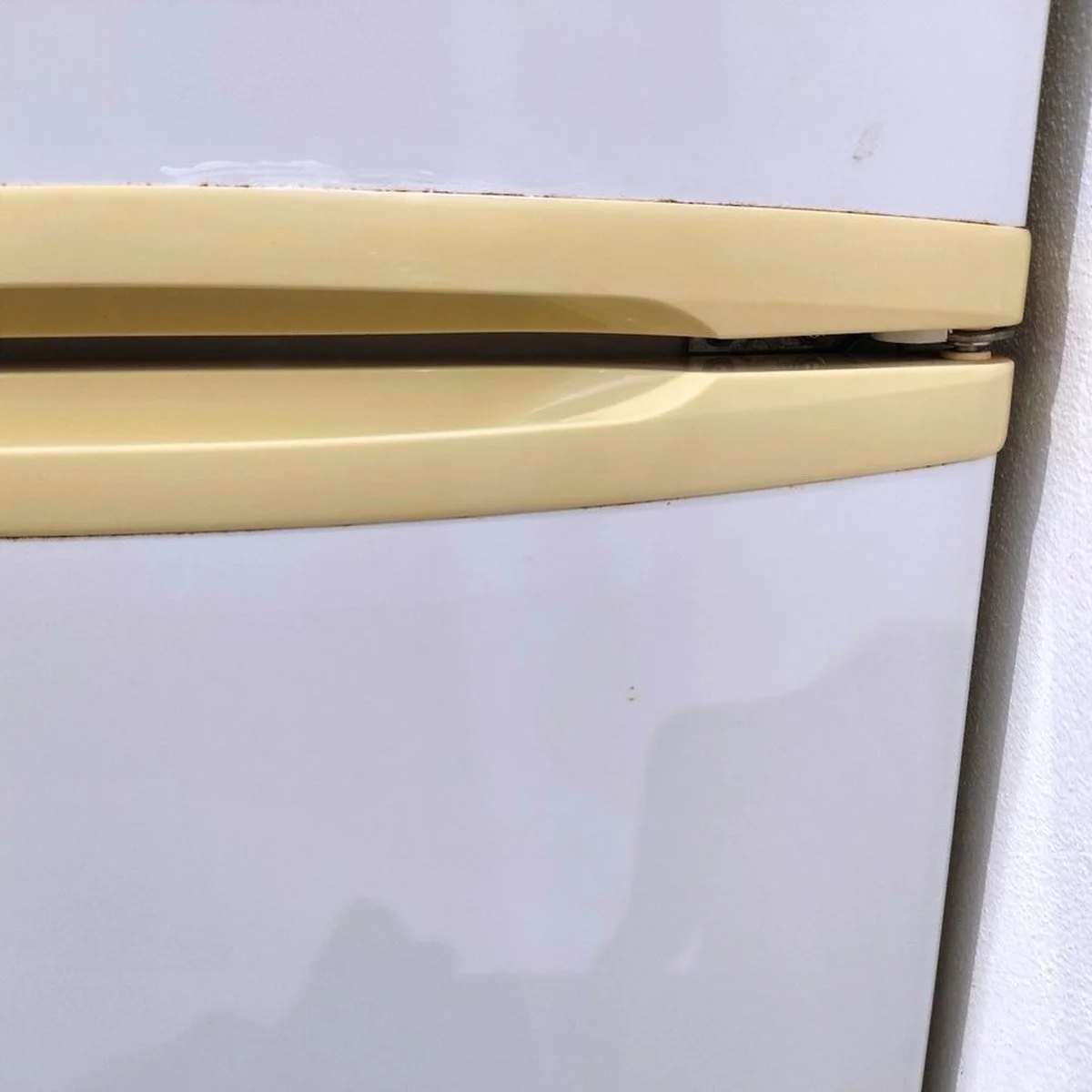
TPU Yellowing and Weathering: Choosing Aromatic vs. Aliphatic TPU for Color-Critical Parts
Aromatic TPU may visibly yellow under UV before it loses function. Learn when aliphatic TPU is the better starting point and how UVA-340, UVB-313 and filtered xenon-arc tests answer different weathering questions.

TPU Cable Jacket Selection for Robotics, EV Charging, and Harsh Industrial Environments
TPU can be a strong cable-jacket choice for repeated flexing, abrasion and harsh environments—but the correct grade depends on the complete cable construction, duty cycle and required finished-cable tests.
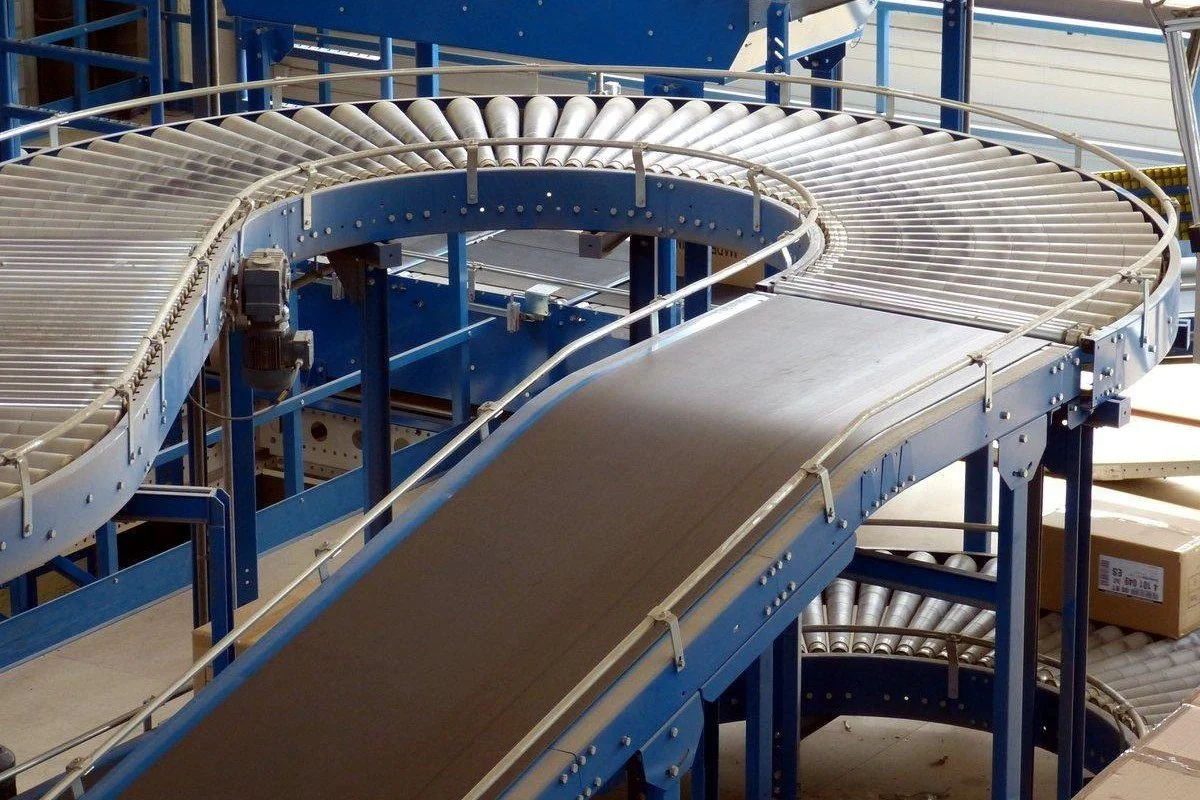
TPU Conveyor Belt Materials: How to Choose Polyurethane Belts for Food, Packaging, and Light Industrial Conveying
Learn how to choose TPU conveyor belt materials for food, packaging, and light industry by construction, abrasion, hygiene, splice, pulley, and validation needs.
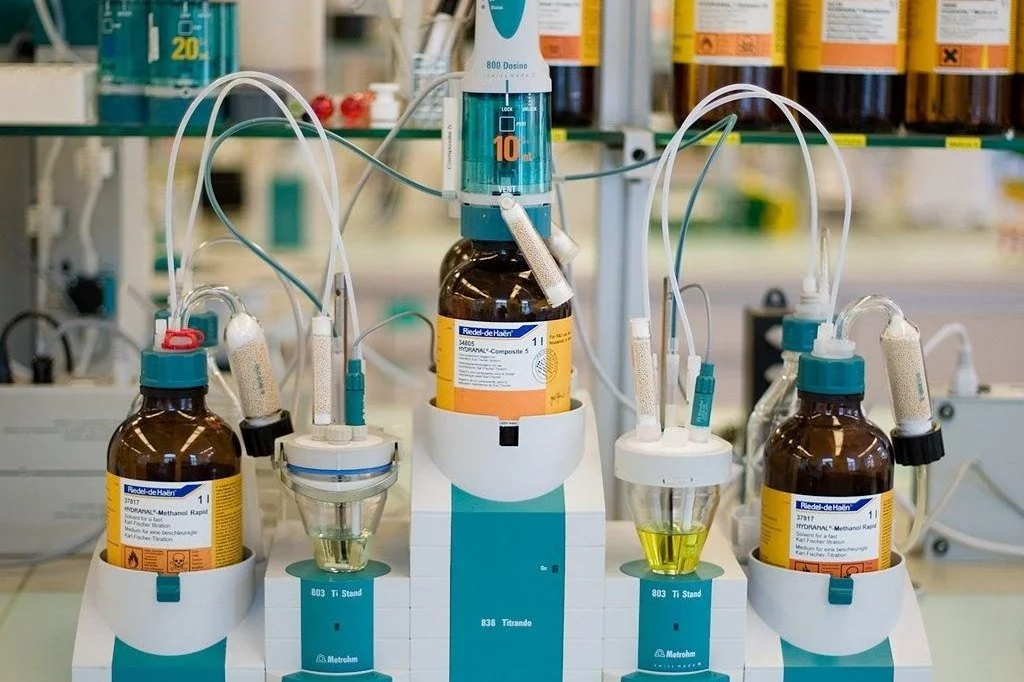
TPU Drying and Moisture Control: How to Prevent Hydrolysis, Bubbles, and Process Drift
A practical factory guide to TPU drying, dew point, material transfer, moisture reabsorption, and diagnosing bubbles, splay, hydrolysis, and process drift.