
How to Make Better TPU for Injection Molding: Improve Crystallization and Shorten Cycle Time
Faster TPU molding is not simply a matter of maximizing crystallinity. Learn how formulation, moisture, mold temperature, tooling and part-level validation determine reliable demolding speed.
Using TPU Regrind in Production: A Validation Guide for Injection Molding and Extrusion
TPU is thermoplastic, but that does not make every scrap stream safe to reuse. Learn how to control identity, drying, processing history, traceability and finished-product validation.
How to Read a TPU Technical Data Sheet: From Shore Hardness to Real Application Tests
A TPU technical data sheet is a screening tool—not a finished-product warranty. Learn how to compare test methods, units, specimens and conditioning before shortlisting a grade.

TPU for Automotive Interior Soft-Touch and Foamed Parts: What Tier Suppliers Should Validate
TPU can support selected automotive interior soft-touch and foamed components, but approval depends on the exact grade, color, process, part geometry, aging exposure and OEM validation.
TPU Yellowing and Weathering: Choosing Aromatic vs. Aliphatic TPU for Color-Critical Parts
Aromatic TPU may visibly yellow under UV before it loses function. Learn when aliphatic TPU is the better starting point and how UVA-340, UVB-313 and filtered xenon-arc tests answer different weathering questions.
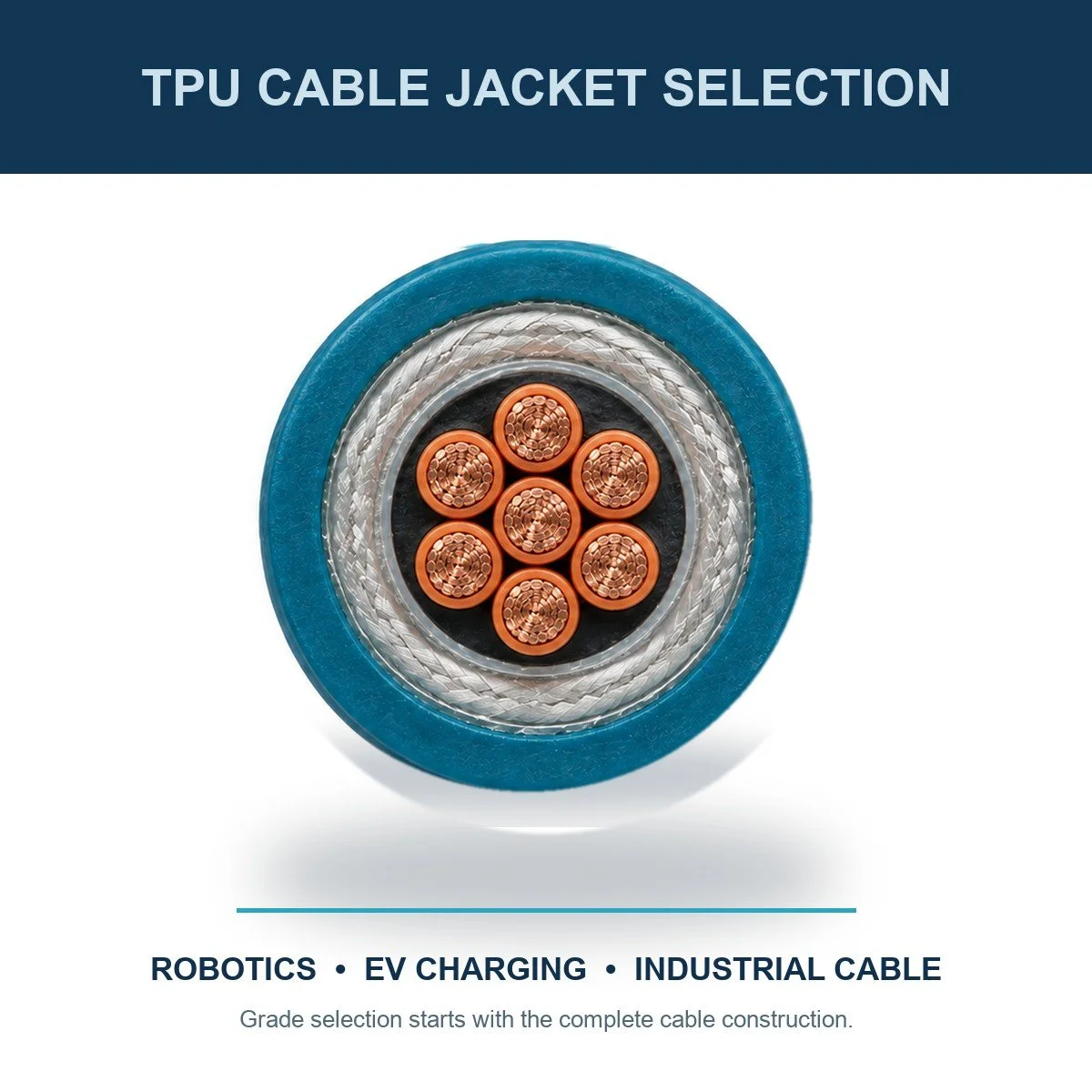
TPU Cable Jacket Selection for Robotics, EV Charging, and Harsh Industrial Environments
TPU can be a strong cable-jacket choice for repeated flexing, abrasion and harsh environments—but the correct grade depends on the complete cable construction, duty cycle and required finished-cable tests.
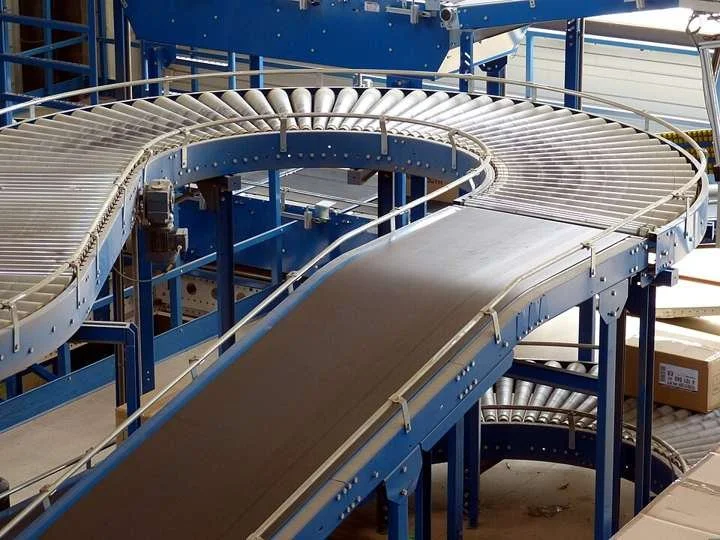
TPU Roller Sleeves for Conveyors: Material, Dimensions and Extrusion Challenges
Learn how TPU chemistry, hardness, interference fit, roller dimensions and extrusion control determine conveyor roller-sleeve performance.
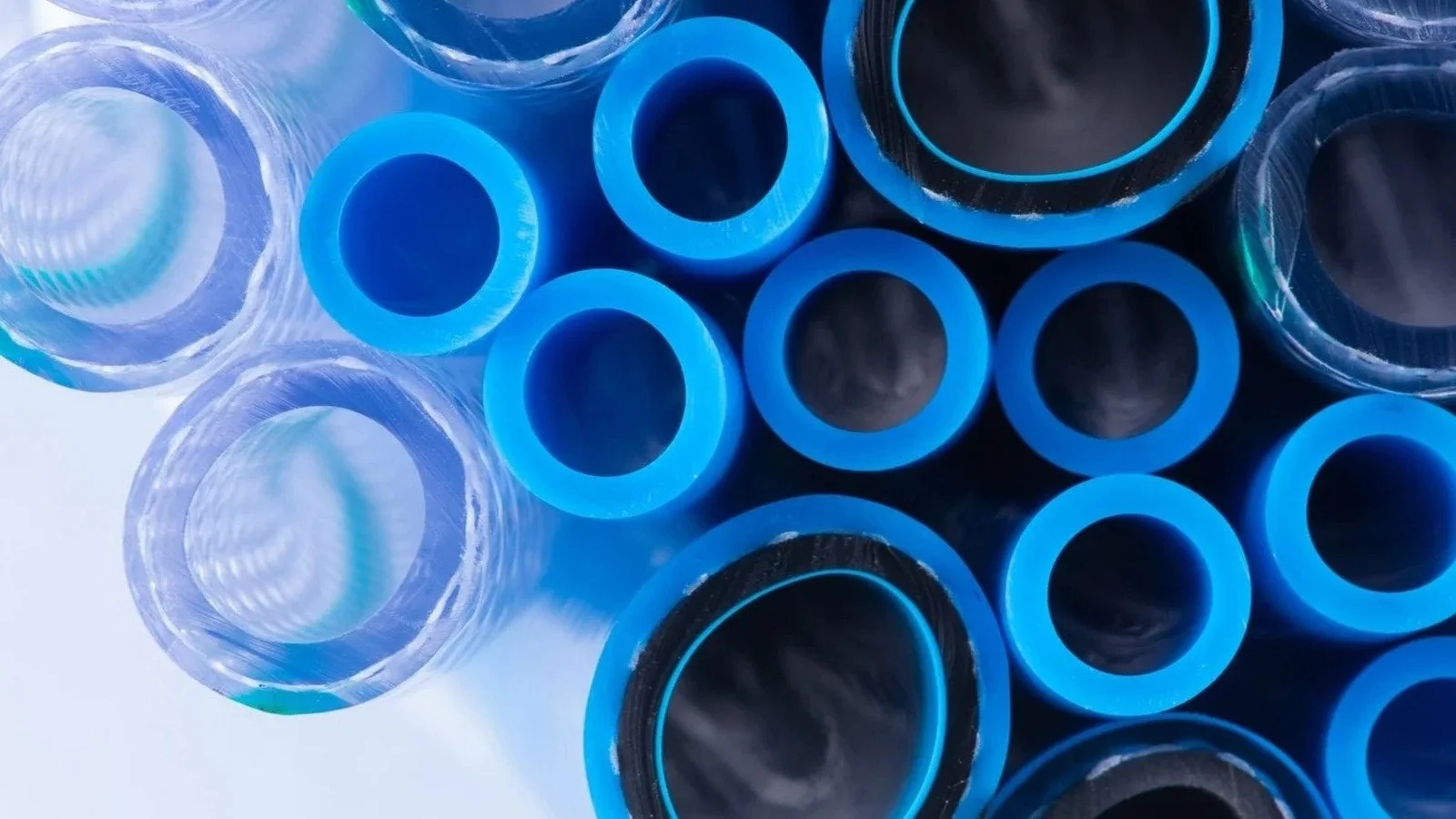
Polyether vs. Polyester TPU for Tubing and Hose: How to Choose
Polyether TPU is often the better starting point for wet, humid and cold service. Polyester TPU can be stronger in dry, abrasive duty. The finished tube still needs application-specific testing.