
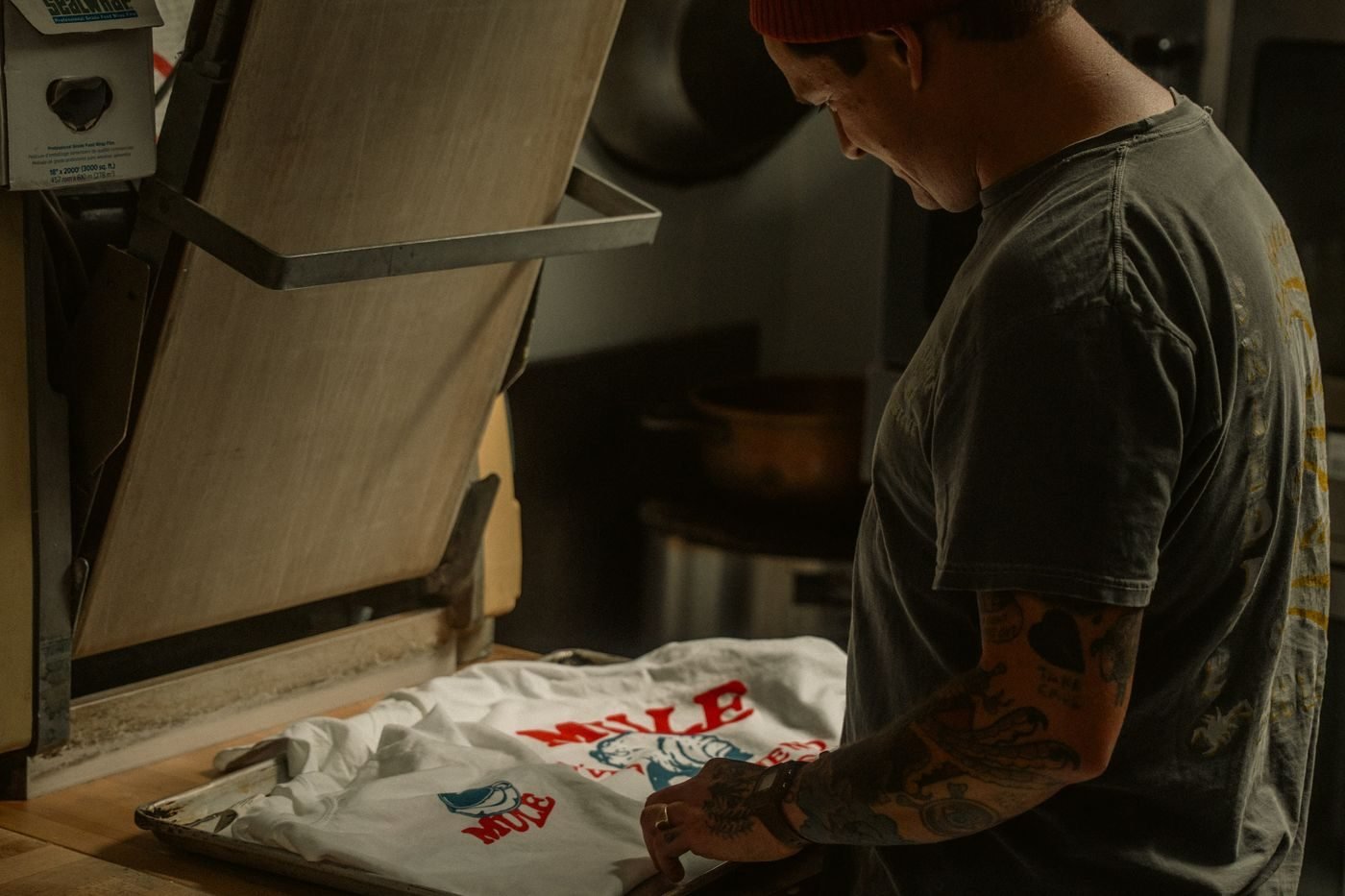
TPU Hot-Melt Film for Textile Bonding: How Manufacturers Choose the Right Adhesive Layer
How manufacturers can select and validate TPU hot-melt adhesive film for footwear, apparel, bags, foam laminates, and industrial textile bonding.
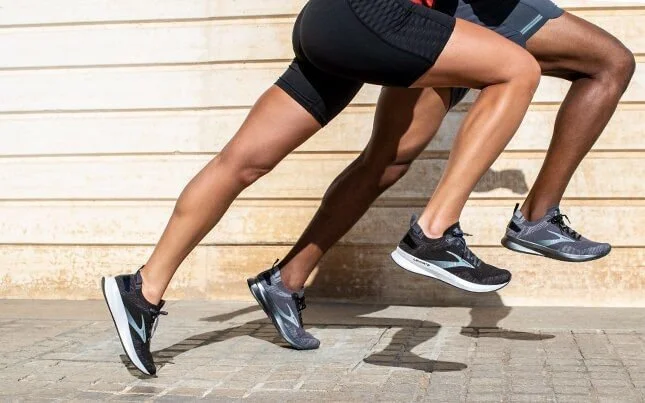
How Is a PU Foam Midsole Encased in TPU Made? From Brooks DNA AMP to Modern Footwear Manufacturing
How can a PU foam midsole be encased in TPU? Explore the DNA AMP case study, possible manufacturing routes, material trade-offs, and practical scale-up validation.
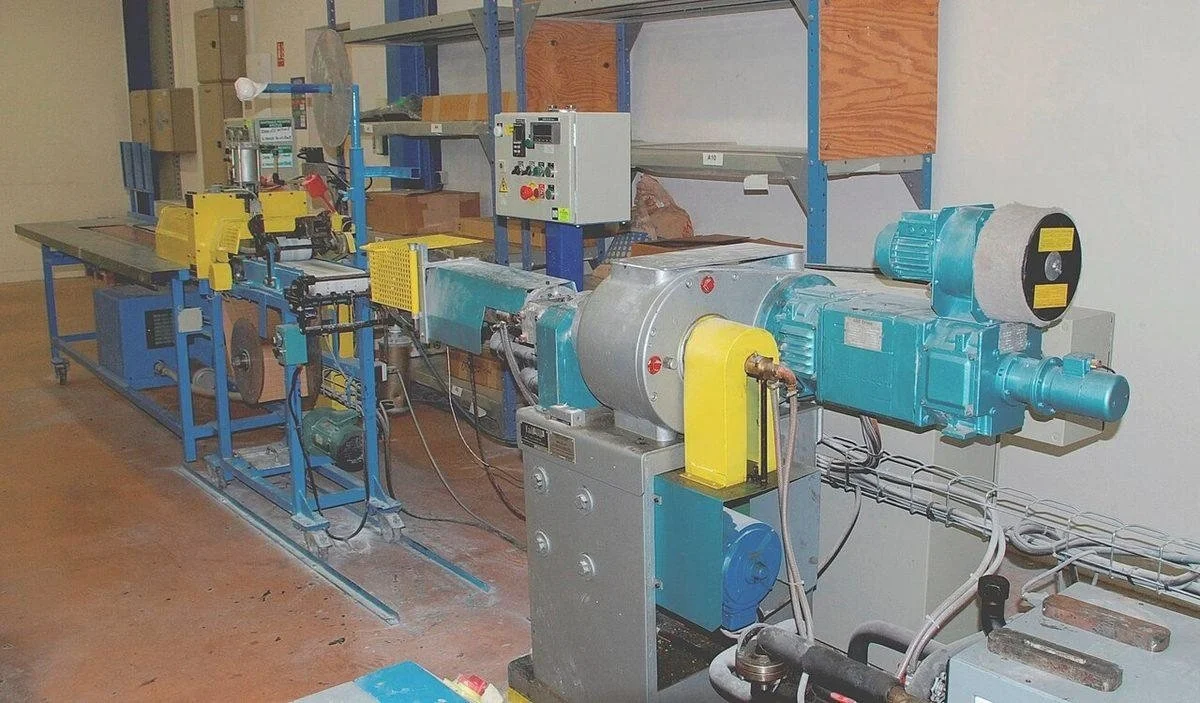
TPU Film Extrusion Troubleshooting: Moisture, Gels, Die Lines, and Thickness Variation
A practical diagnostic guide for TPU film extrusion defects including moisture bubbles, gels, die lines, haze, streaks and thickness variation.
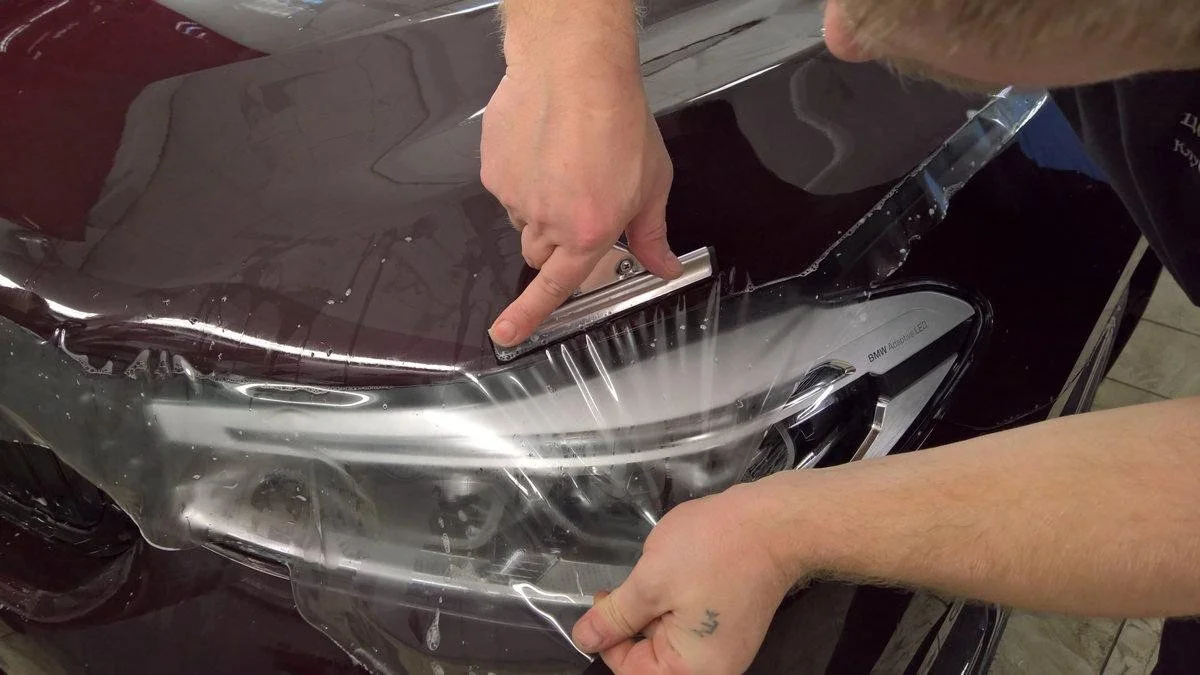
Aliphatic TPU Films for Surface Protection: Material Selection for Optical Clarity, UV Stability, and Outdoor Durability
A practical guide to selecting aliphatic TPU film for optical clarity, UV color stability, surface-protection layer stacks, and outdoor durability testing.
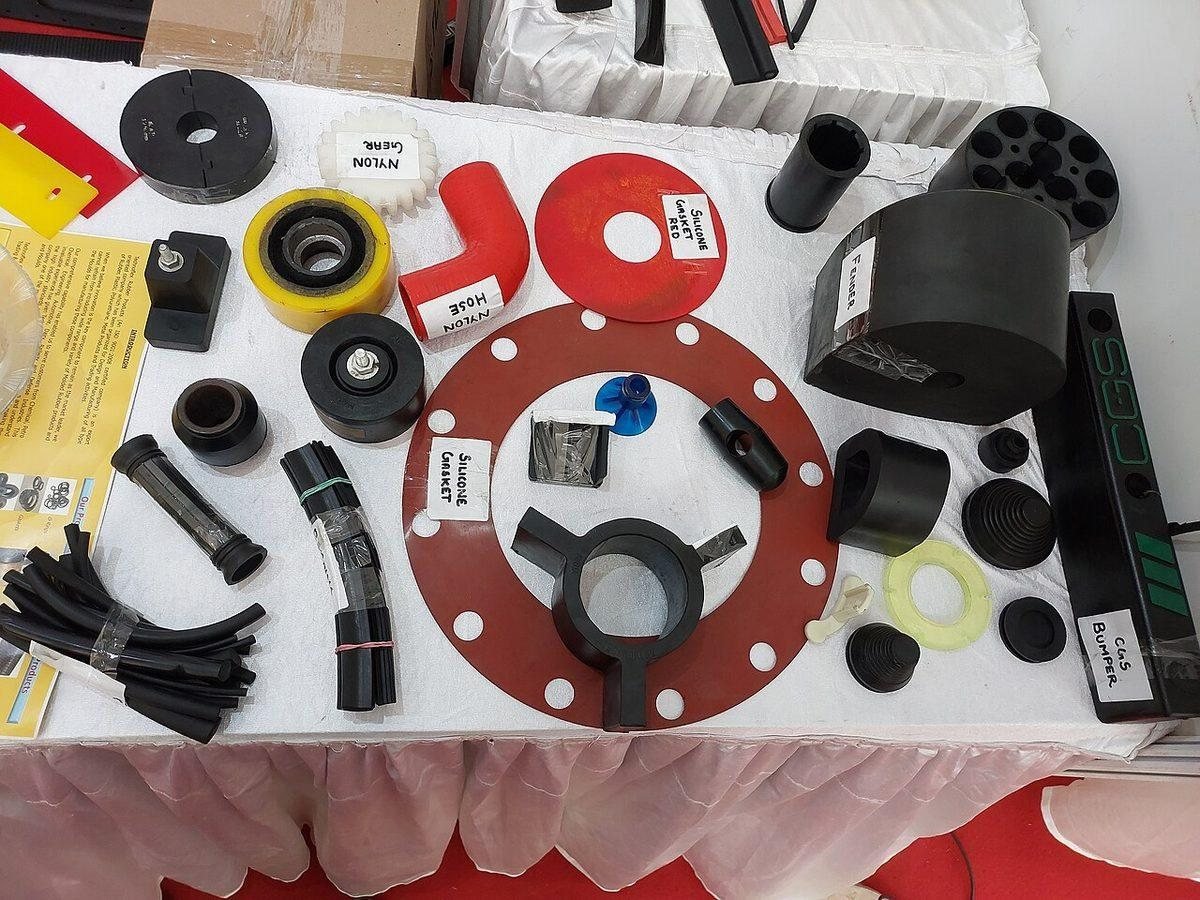
TPU Seals and Gaskets: When Polyurethane Fits — and What to Validate Before Production
Learn when TPU fits industrial seals and gaskets, how it compares with other elastomers, and what manufacturers should validate before production.
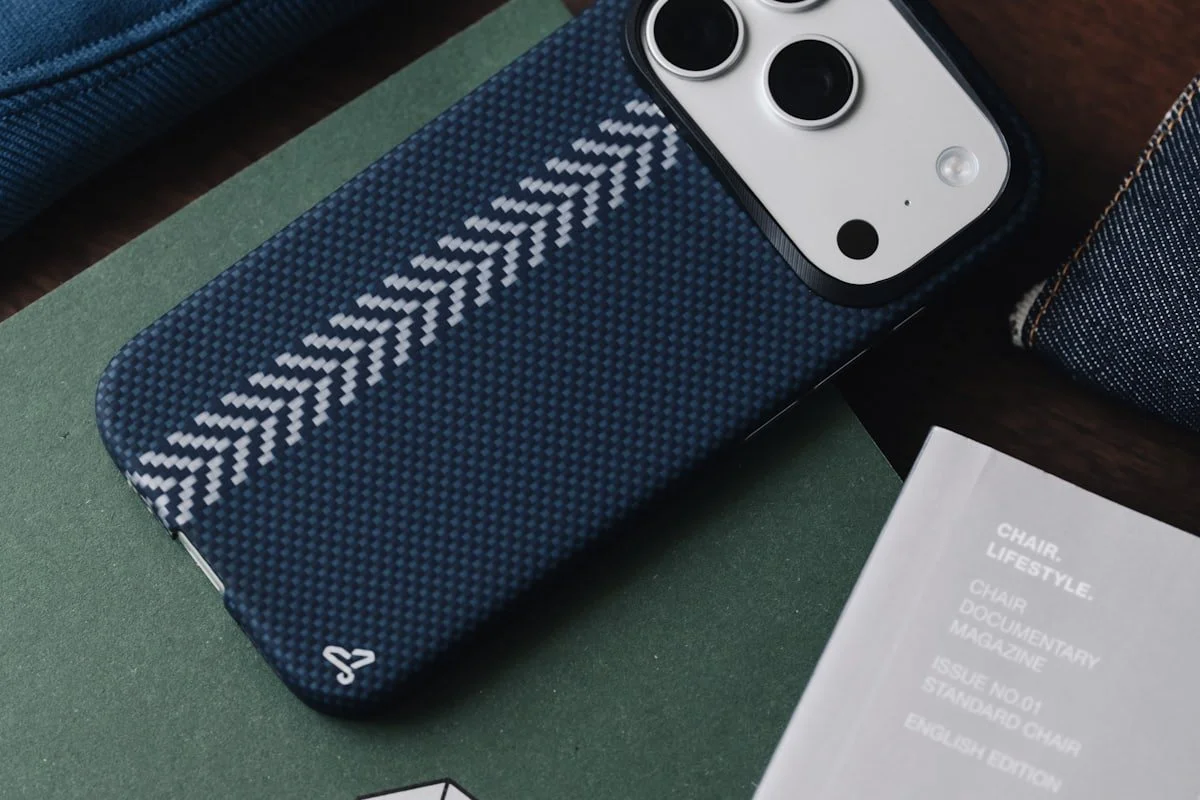
TPU Overmolding for Electronics and Protective Parts: Matching Soft Touch, Impact Protection, and Substrate Adhesion
A practical guide to selecting and validating TPU for electronics overmolding, protective cases, grips, bumpers and seals—including adhesion, design, processing and aging.
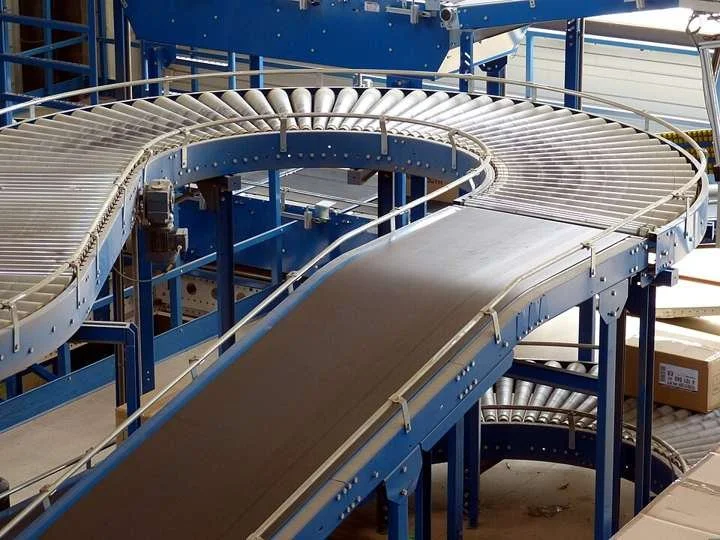
TPU Roller Sleeves for Conveyors: Material, Dimensions and Extrusion Challenges
Learn how TPU chemistry, hardness, interference fit, roller dimensions and extrusion control determine conveyor roller-sleeve performance.
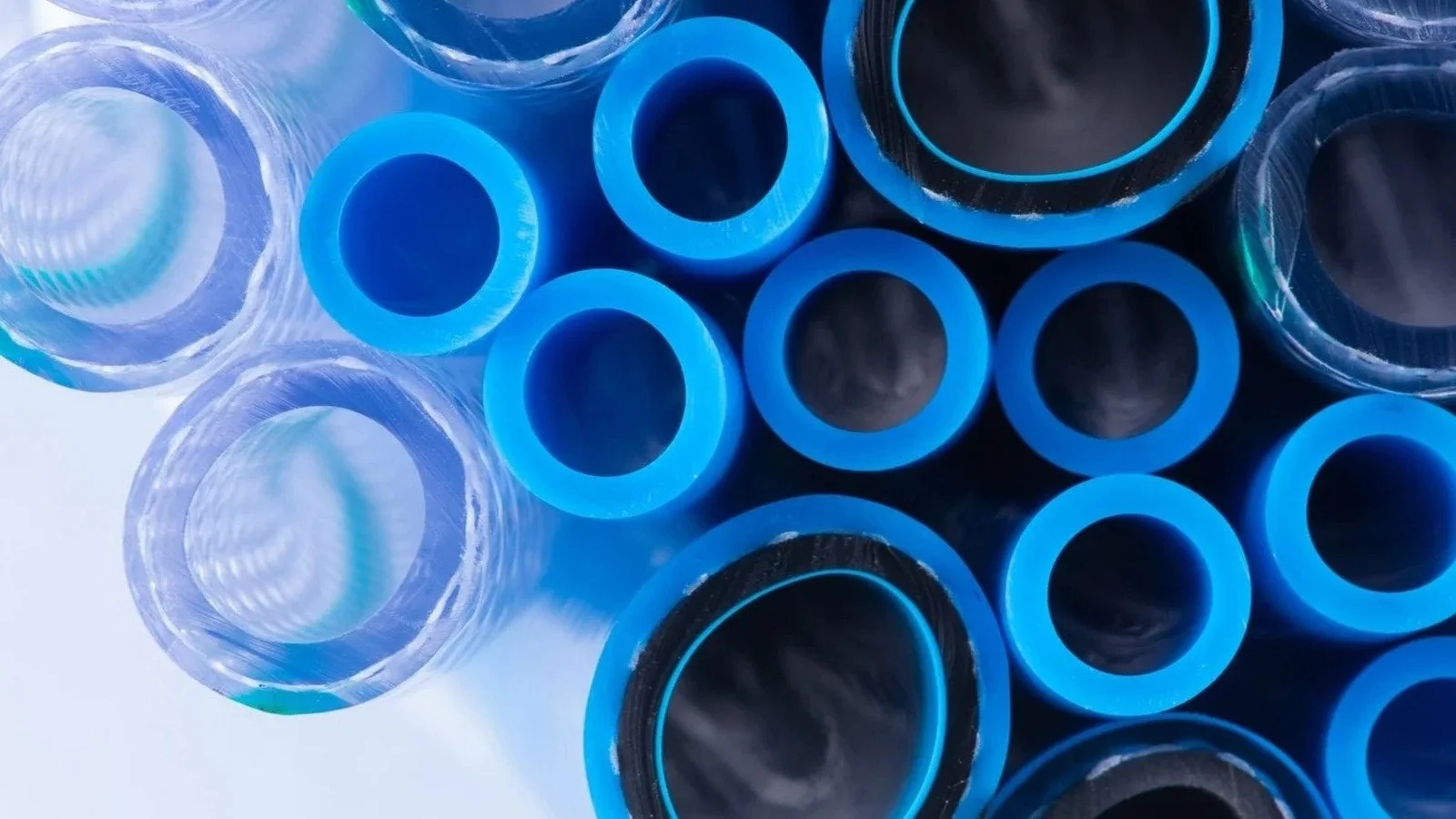
Polyether vs. Polyester TPU for Tubing and Hose: How to Choose
Polyether TPU is often the better starting point for wet, humid and cold service. Polyester TPU can be stronger in dry, abrasive duty. The finished tube still needs application-specific testing.
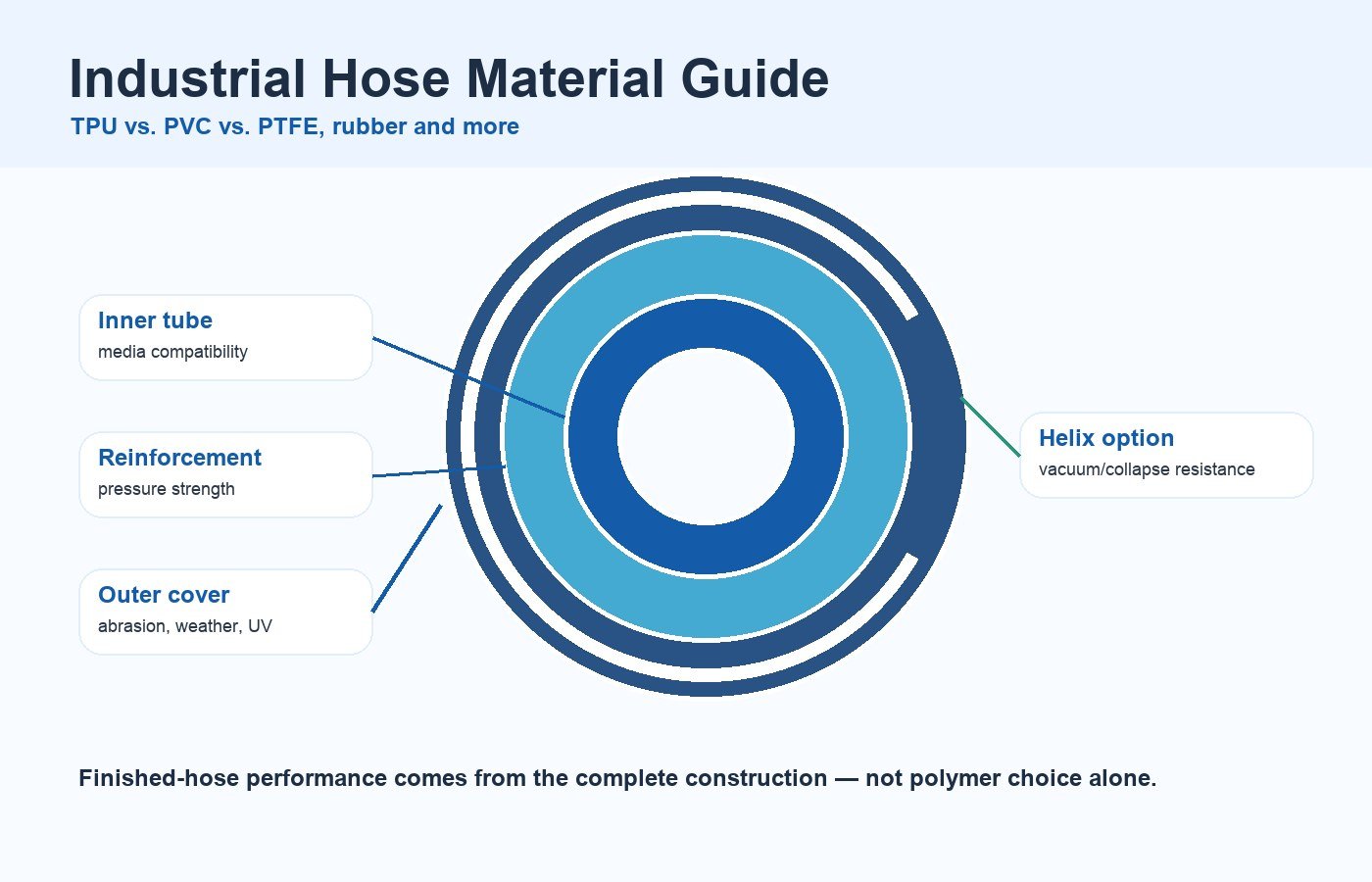
Industrial Hose Materials Explained: TPU vs. PVC vs. PTFE, Rubber & More
Compare TPU, PVC, PTFE, rubber, silicone and nylon for industrial hoses, including construction, pressure ratings, burst pressure, temperature derating, vacuum resistance, reinforcement and material selection.
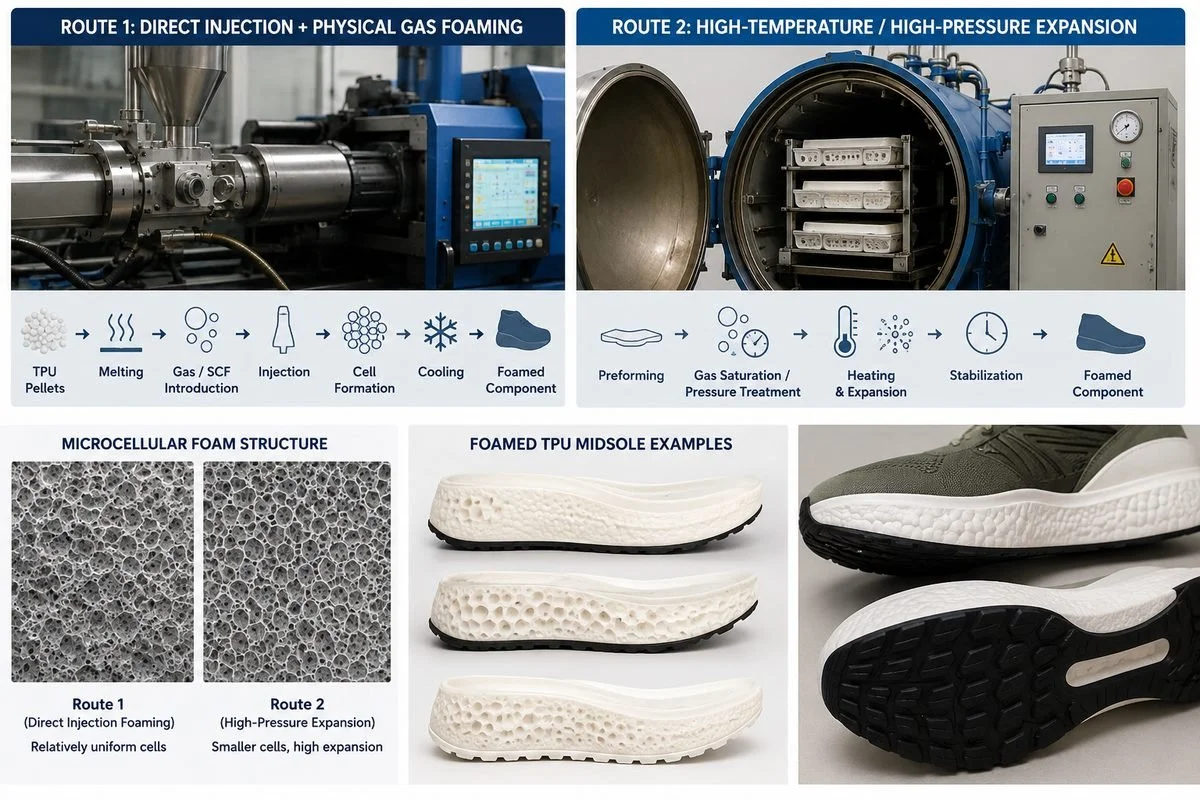
TPU Foaming for Footwear: Direct Injection vs. Autoclave Foaming
Compare two TPU foaming routes for footwear midsoles: direct injection with physical gas or SCF foaming, and autoclave foaming. Learn how process, equipment, density, rebound, durability, and TPU chemistry affect material selection.
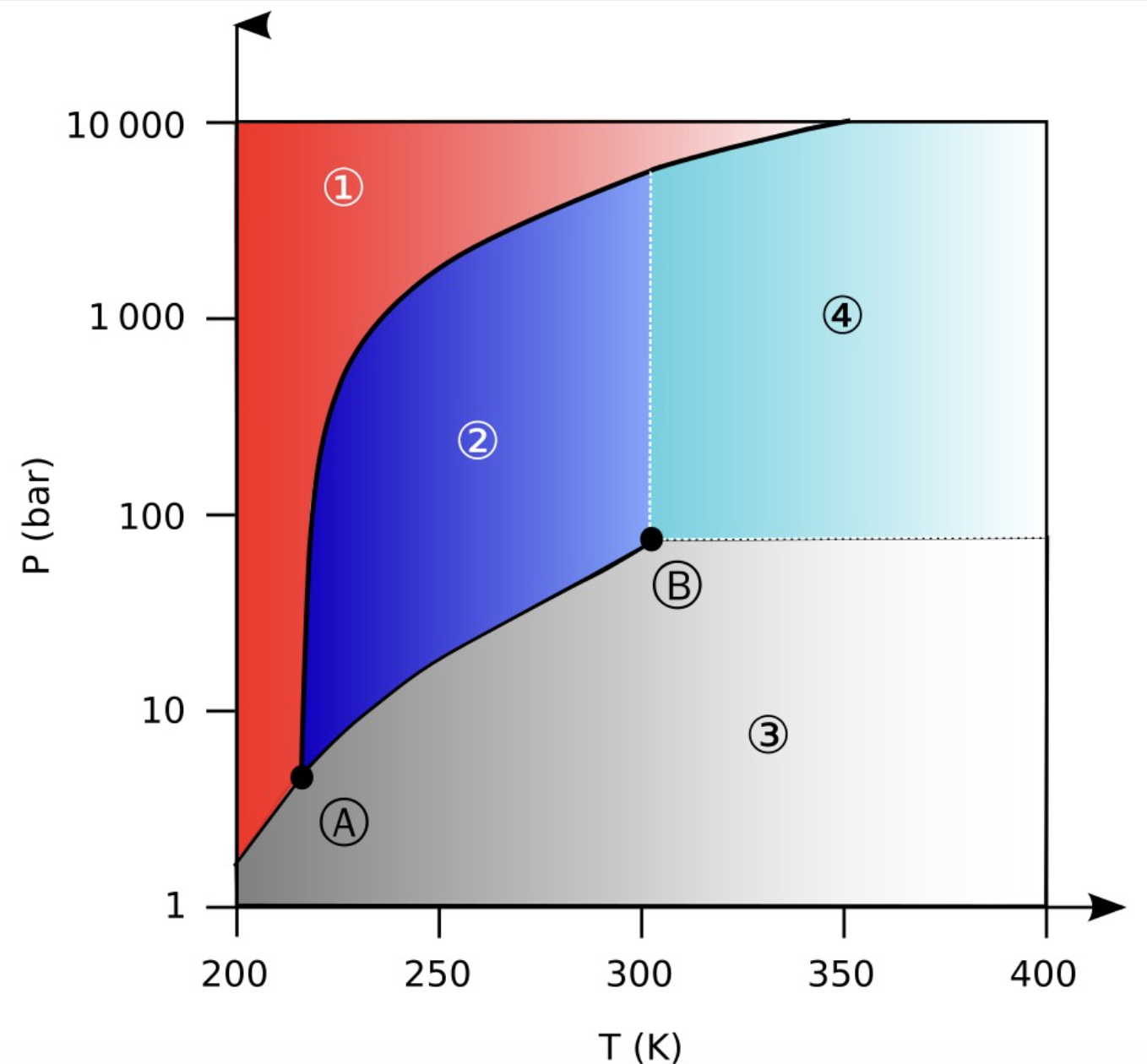
Supercritical Foaming TPU for Footwear: Material Selection for Lightweight, High-Rebound Midsoles
Learn how footwear manufacturers should evaluate SCF foamed TPU for lightweight, high-rebound midsoles, including TPU chemistry, density target, cell structure, rebound, durability, process route, and scale-up validation.
Weldable TPU Film and Coated Fabric: How to Choose Materials for Airtight and Waterproof Products
Learn how to choose weldable TPU film and TPU coated fabric for waterproof seams, airtight chambers, inflatables, bags, bladders, and industrial products.

Marine Inflatable Materials: When Aliphatic TPU Makes Sense Beyond PVC and CSM
Aliphatic TPU can be a strong option for premium marine inflatables, but only when chemistry, fabric construction, welding process, and validation testing fit the real service environment.
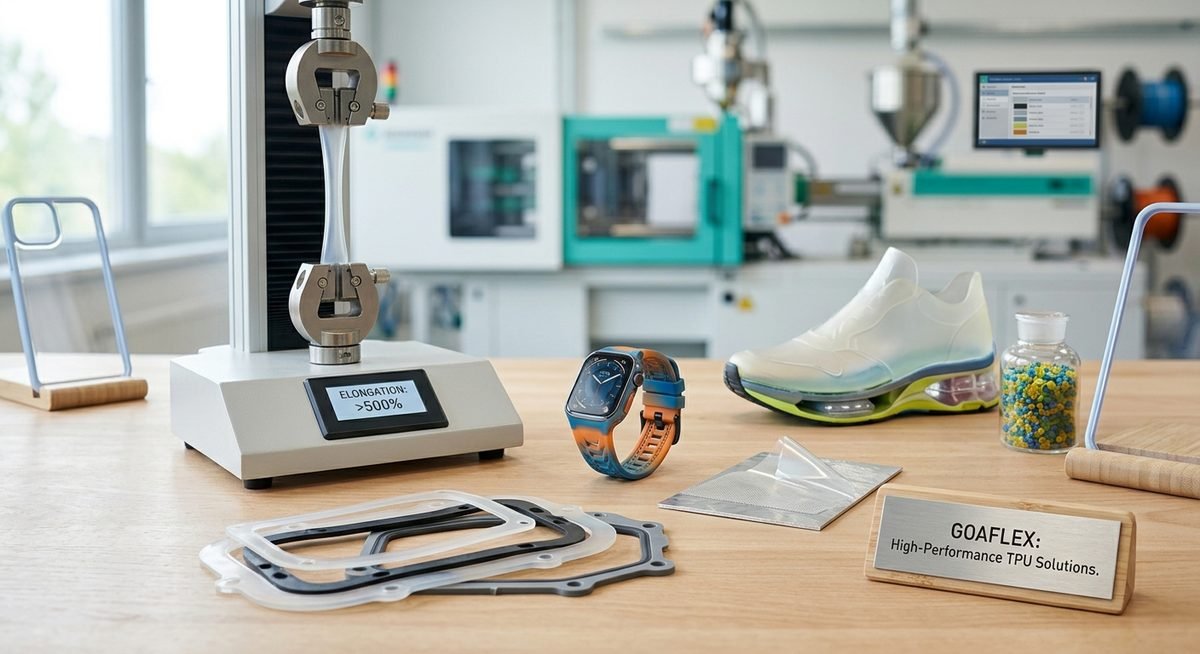
High-Rebound TPU: How Molecular Design Improves Elastic Recovery
High-rebound TPU depends on more than hardness. Molecular architecture, soft segment chemistry, reversible phase behavior, and energy recovery all influence how well TPU returns after large deformation.
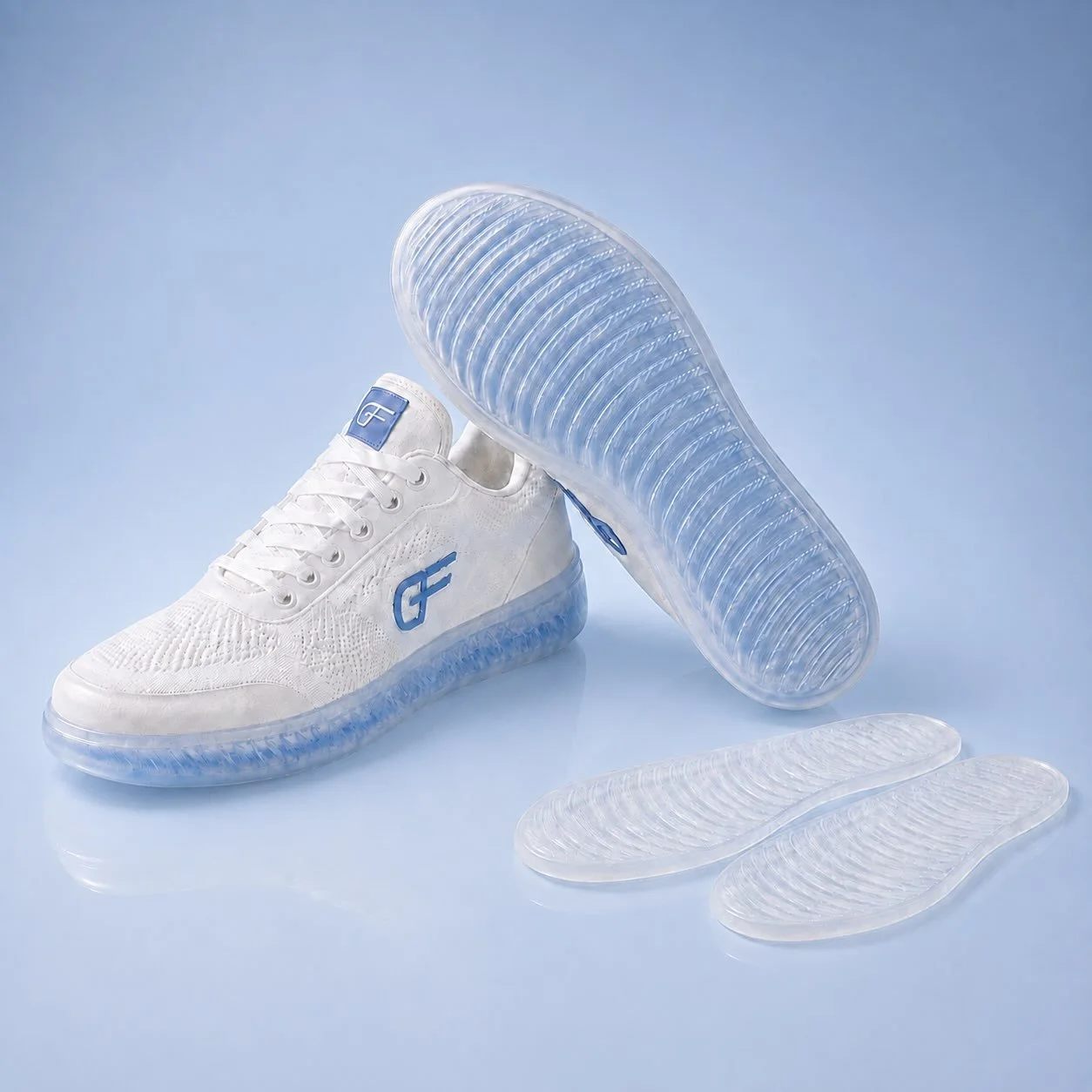
TPU Injection Molding Problems: 7 Common Defects and How to Solve Them
TPU injection molding problems are not always caused by defective material. Learn how moisture, drying, temperature, mold design and processing conditions affect common TPU defects.
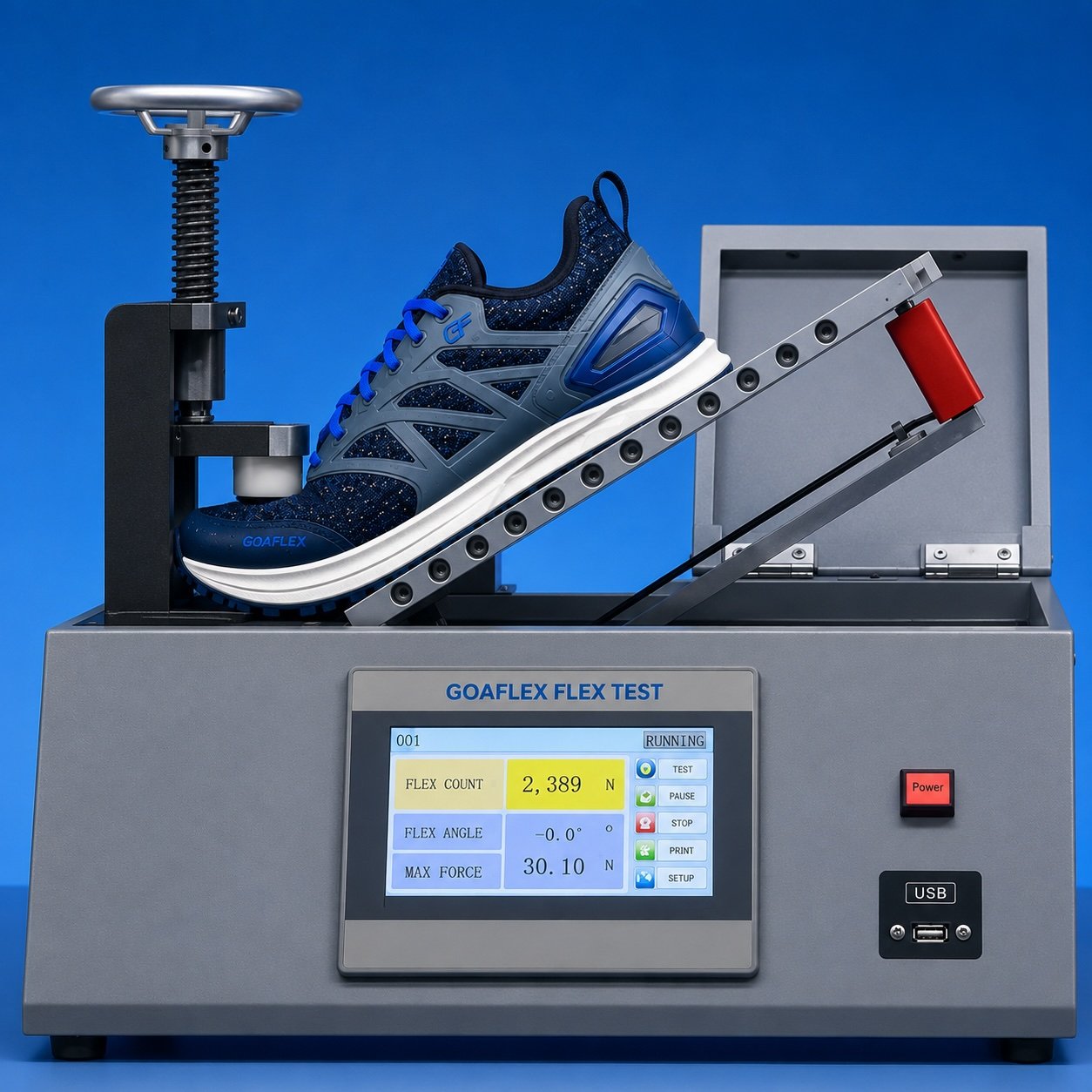
How to Choose the Right TPU Grade for Injection Molding
Choosing the right TPU for injection molding takes more than Shore hardness. Learn how application, mechanical performance, chemistry, melt flow, drying and mold design affect TPU grade selection.
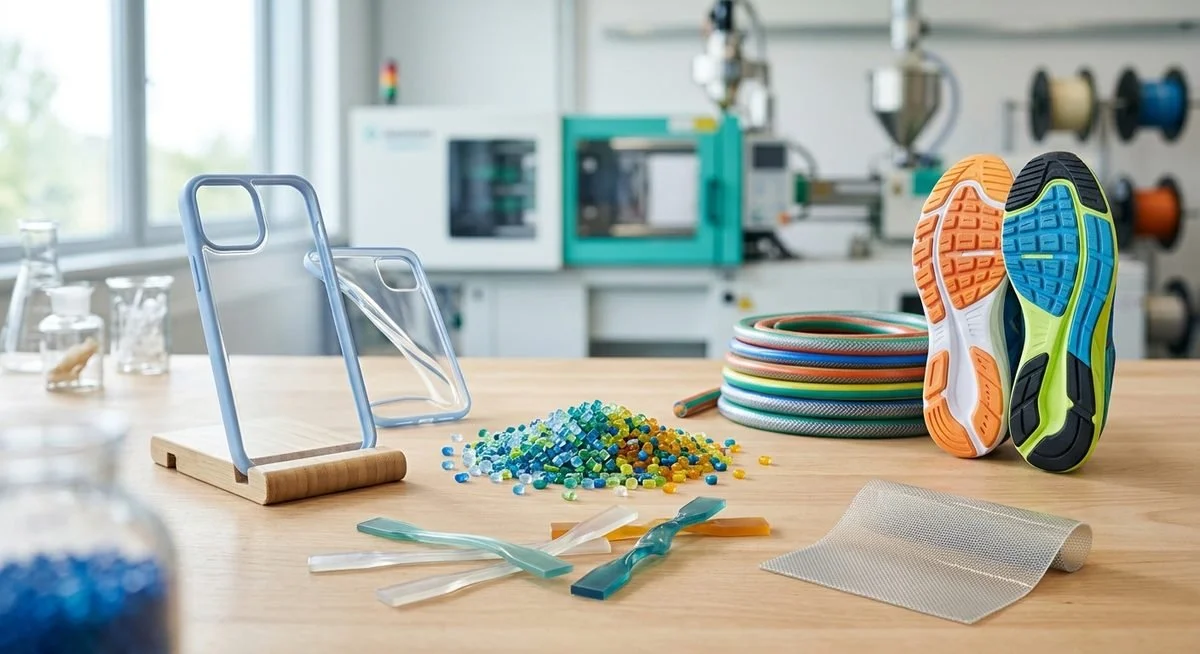
TPU for Footwear: Why Thermoplastic Polyurethane Is Used in Modern Shoe Manufacturing
Learn why TPU is used in footwear, from outsoles and injection-molded shoe parts to TPU films, hot-melt adhesive layers, no-sew uppers, and performance footwear applications.
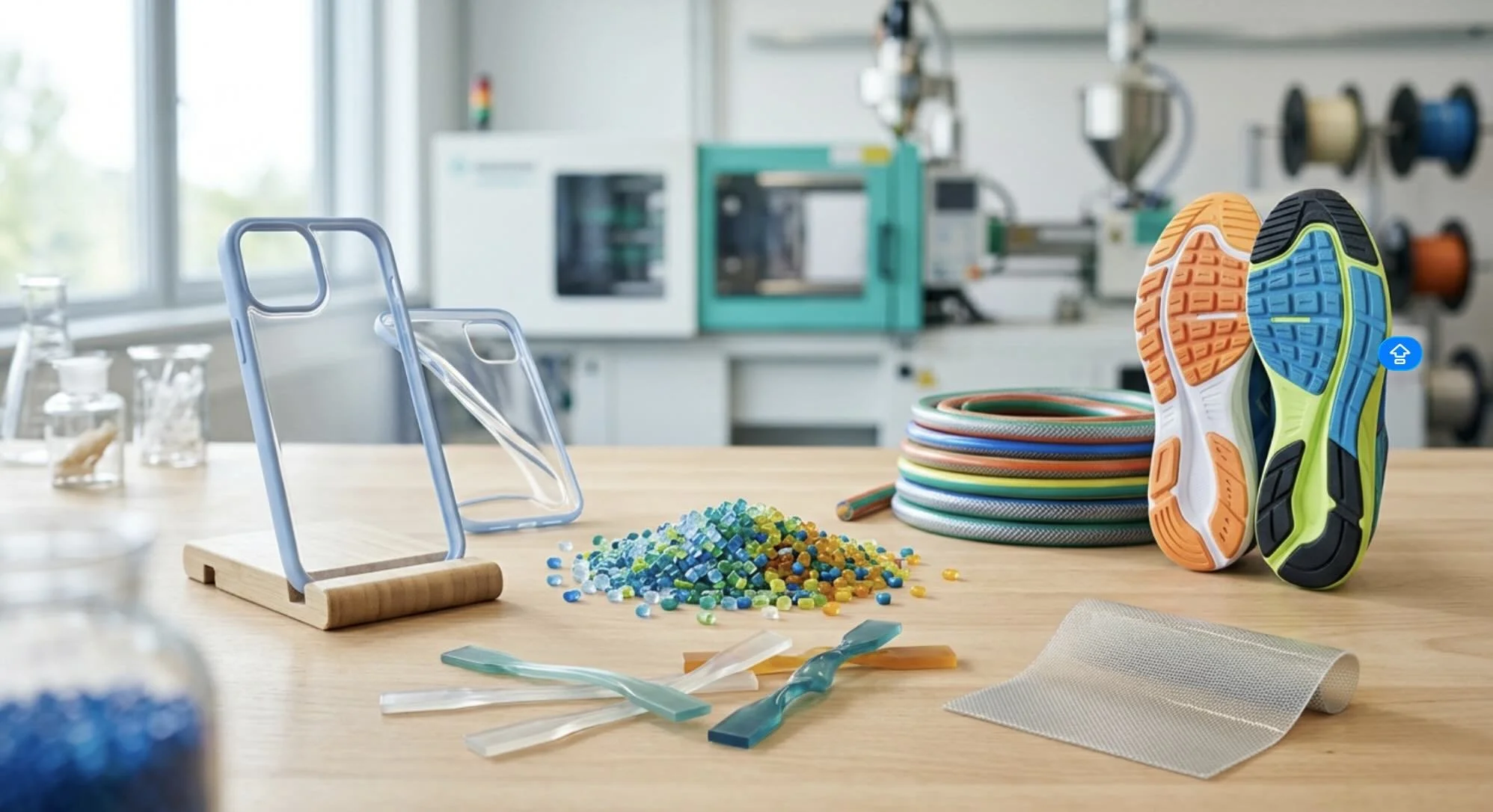
TPU vs. CPU: What Is the Difference and Which Polyurethane Material Should You Choose?
Polyurethane (PU) is one of the most versatile polymer families used in modern manufacturing. Two important categories are Thermoplastic Polyurethane (TPU) and Casting Polyurethane (CPU).
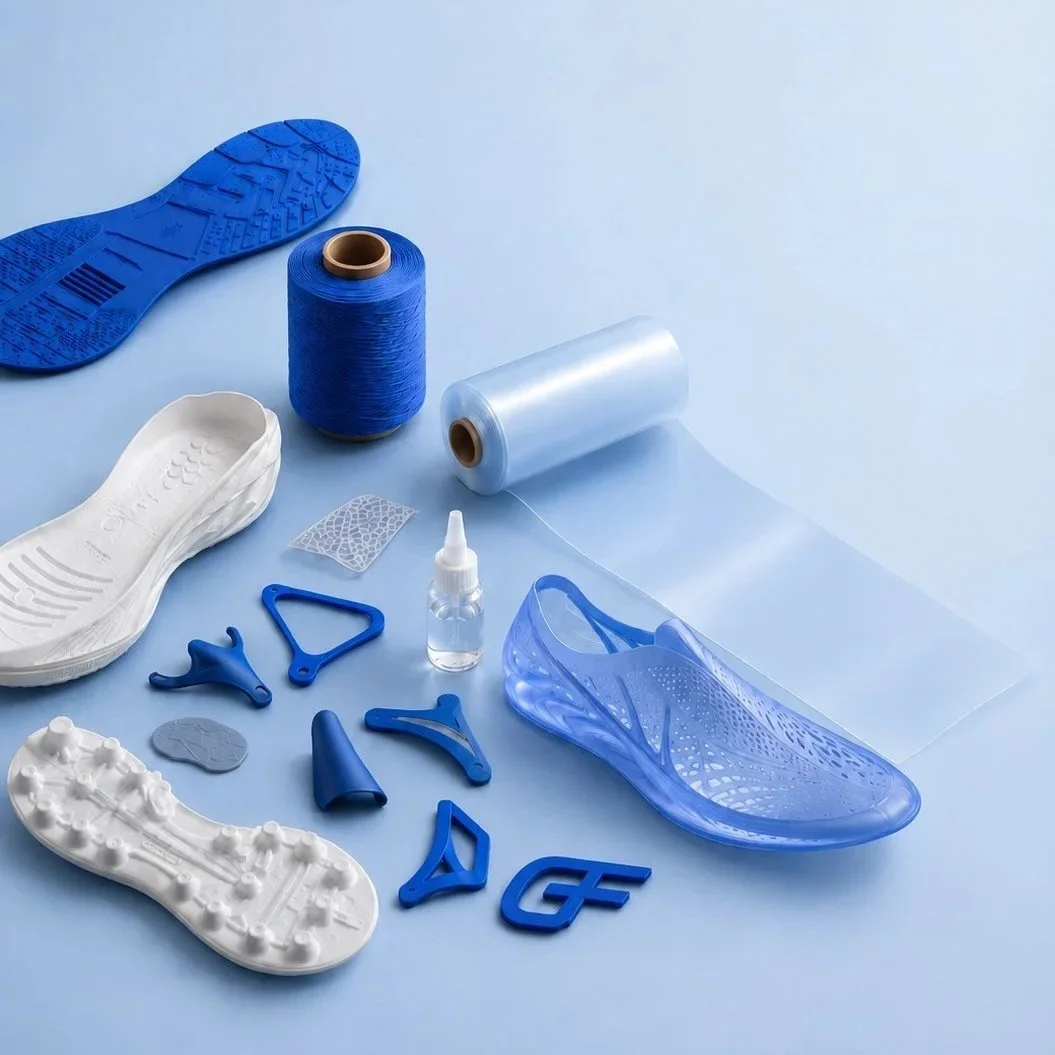
What Is TPU? Thermoplastic Polyurethane Properties, Uses & Selection Guide
Learn what TPU is, how thermoplastic polyurethane is used in footwear, films, extrusion, injection molding and hot-melt adhesives, and how to choose the right TPU grade.