
How to Choose the Right TPU Grade for Injection Molding
Quick answer: Choosing the right TPU grade for injection molding means matching the material to the final application, required performance, and actual molding process. Shore hardness is only the starting point. A good TPU recommendation should also consider mechanical properties, TPU chemistry, melt flow, drying behavior, processing temperature, mold design, and real production validation.
What is injection molding TPU?
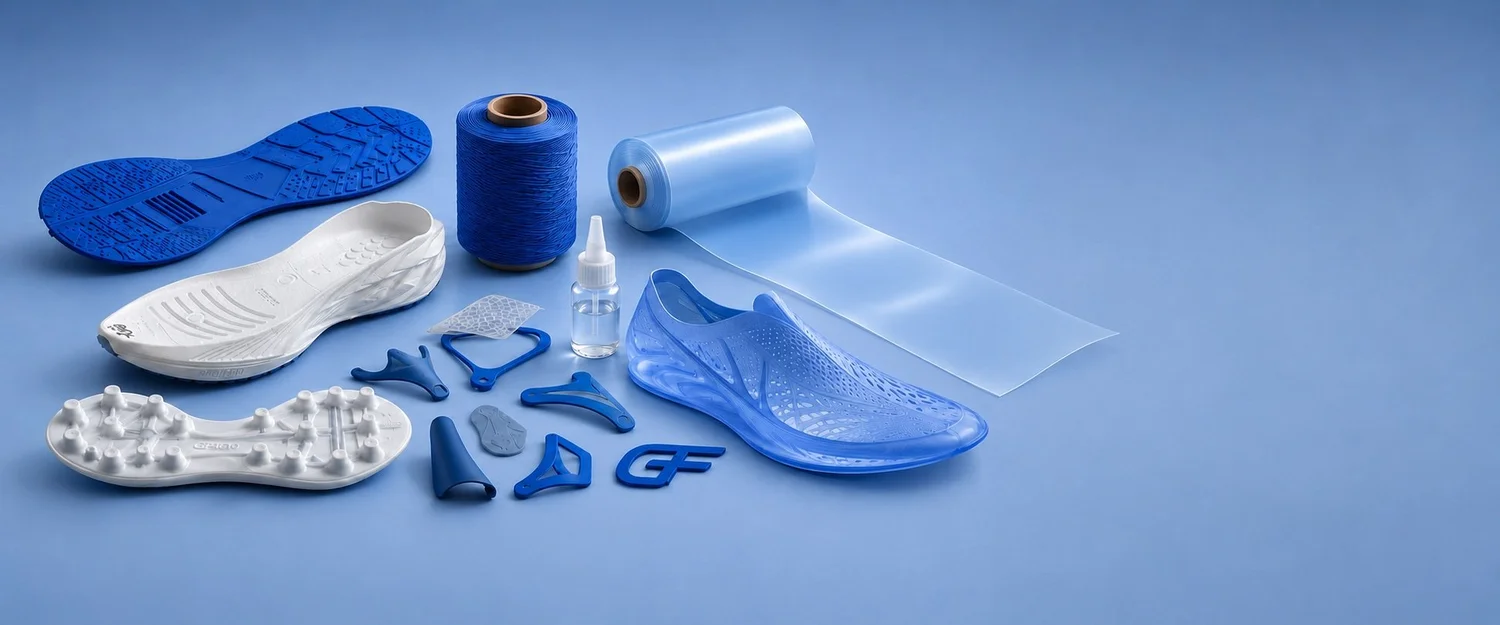
Thermoplastic Polyurethane (TPU) is a thermoplastic elastomer that can be heated, melted, and processed using conventional injection molding equipment. During injection molding, TPU pellets are melted and injected into a mold cavity. After cooling, the material solidifies into the required shape.
This makes TPU suitable for producing complex components at commercial production volumes.
Typical injection-molded TPU applications include:
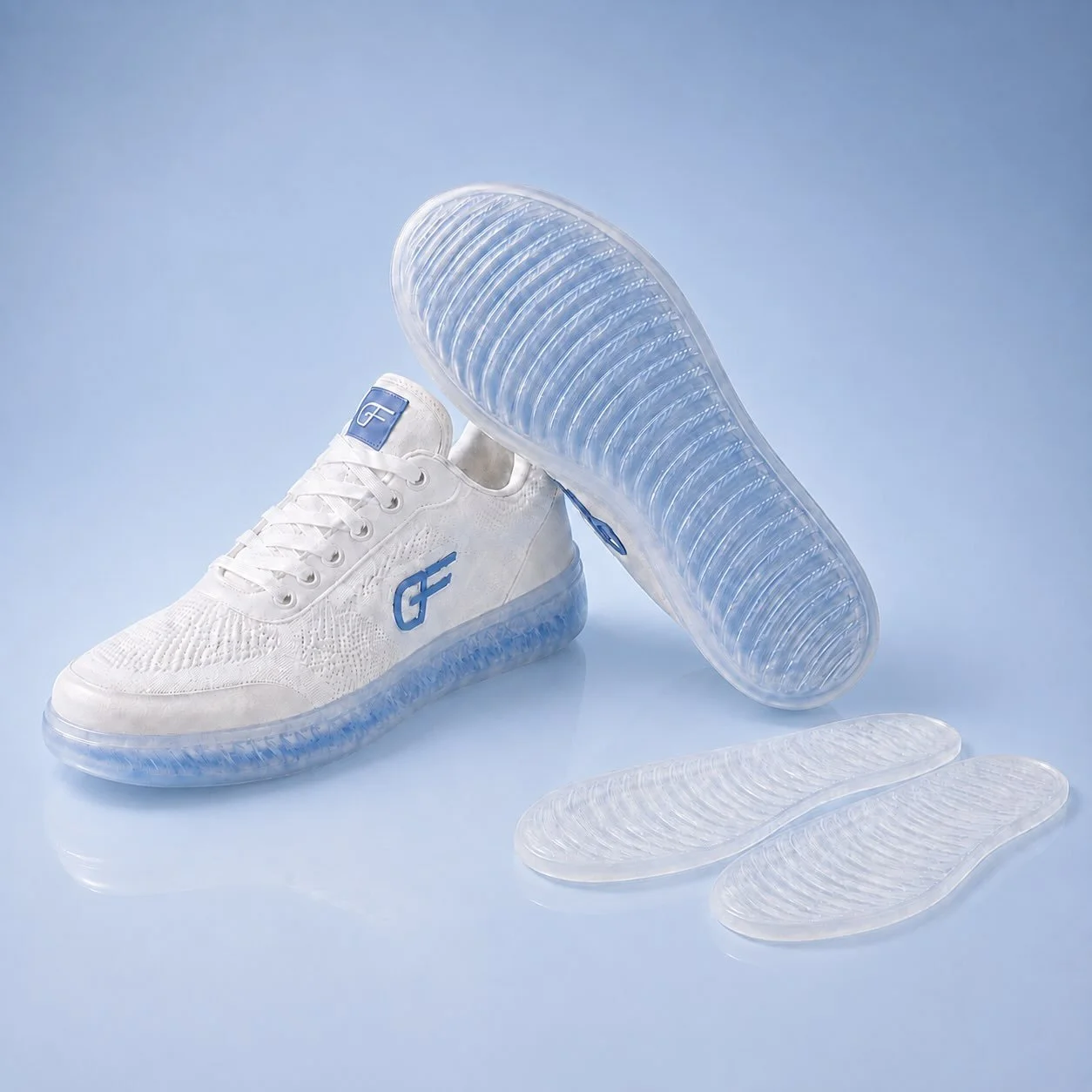
- Footwear components and outsoles
- Wheels and rollers
- Sporting goods
- Industrial components and protective parts
- Seals and flexible components
- Consumer electronics components
However, different applications require very different TPU properties. That is why choosing the correct grade matters.
1. Start with the final application
Before discussing hardness, melt flow, or processing temperature, the first question should be: What are you making?
A shoe outsole does not have the same requirements as an industrial roller. A flexible protective component does not require the same TPU properties as a rigid structural part.
Depending on the application, manufacturers may need to prioritize:
- Abrasion resistance
- Flexibility and repeated flexing
- Structural support
- Impact resistance
- Surface appearance
- Chemical resistance
- Heat resistance
- Low-temperature performance
Understanding the final application helps narrow down the appropriate TPU chemistry and performance range.
2. Choose the right hardness, but do not stop there
Hardness is one of the first specifications manufacturers consider when selecting TPU. TPU is available across a broad hardness range, allowing it to be used for both soft, flexible components and harder structural applications.
But hardness alone does not define material performance. Two TPU grades with similar Shore hardness may have different tensile strength, elongation, tear strength, abrasion resistance, compression behavior, flexibility, melt behavior, and processing characteristics.
Instead of asking only, “What hardness do you need?”, a better question is: What does the finished part need to do?
3. Consider the required mechanical properties
Once the application and hardness are understood, the next step is evaluating mechanical performance.
Tensile strength
Tensile strength indicates how much stress a material can withstand when stretched. This can be important for components exposed to repeated loading or deformation.
Elongation
TPU is known for its ability to provide high elasticity. Applications requiring stretching, bending, or repeated movement may require a TPU grade with suitable elongation and recovery characteristics.
Tear strength
For parts exposed to cutting, tearing, or high localized stress, tear resistance may become an important selection criterion.
Abrasion resistance
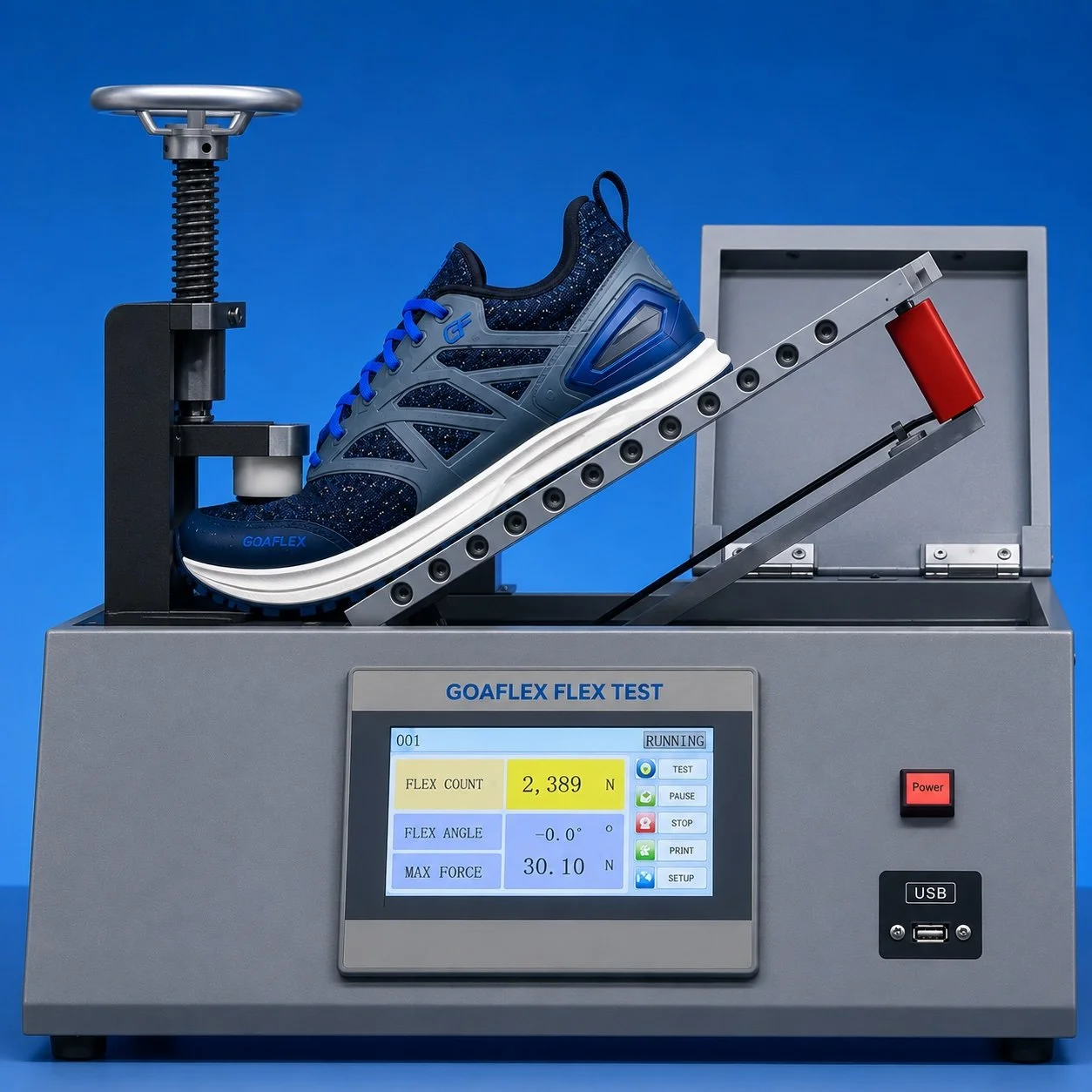
Abrasion resistance is especially important for footwear, wheels, rollers, belts, protective components, and industrial wear parts. The correct balance between hardness, flexibility, and abrasion resistance should be evaluated according to the final application.
4. Understand TPU chemistry
Not every TPU is chemically identical. Different TPU chemistries can be developed to provide different combinations of mechanical properties, environmental resistance, and processing behavior.
Common TPU systems include polyester-based and polyether-based materials, as well as specialized formulations designed for specific performance requirements. The best chemistry depends on the operating environment.
Manufacturers may need to consider water exposure, humidity, oil and grease, chemicals, UV exposure, heat, low-temperature conditions, and outdoor environments. Material selection should always consider where and how the final product will be used.
5. Do not ignore melt flow and processing behavior
A TPU may have excellent physical properties on a technical data sheet but still be difficult to process in a particular mold. Part geometry matters. A simple thick component and a complex thin-wall component may require very different flow behavior.
Important factors include part thickness, flow length, gate design, mold geometry, injection speed, injection pressure, and melt behavior.
The right TPU therefore needs to provide both the required final properties and suitable processing behavior.
6. TPU drying is critical before injection molding
One of the most important processing considerations for TPU is moisture. TPU is hygroscopic, meaning it can absorb moisture from the surrounding environment.
If excessive moisture is present during processing, manufacturers may experience surface defects, splay, voids, foaming, unstable processing, and reduced mechanical performance.
Proper drying before injection molding is therefore essential. The appropriate drying conditions depend on the specific TPU grade and should follow the material supplier’s technical recommendations.
7. Processing temperature matters
TPU must be processed within an appropriate temperature range. If the temperature is too low, manufacturers may experience poor flow, incomplete filling, unmelted material, or poor surface appearance.
If the material is exposed to excessive temperature or residence time, degradation and processing instability may occur. The correct processing temperature depends on the TPU grade, hardness, chemistry, machine, and mold design.
8. Mold design can affect TPU performance
Material selection cannot be separated completely from mold design. Gate size and location, runner design, venting, wall thickness, cooling, part geometry, and ejection design can all influence TPU injection molding results.
Successful TPU injection molding requires cooperation between material, mold, machine, and processing conditions.
9. Think beyond the technical data sheet
Technical data sheets are essential for comparing TPU materials, but they should not be the only basis for material selection. A TDS tells you how a material performed under standardized testing conditions. Your factory tells you how that material performs in your actual process.
When evaluating a new TPU grade, manufacturers should consider material evaluation, initial molding trials, processing optimization, physical property testing, final product testing, and production validation.
10. Common problems in TPU injection molding
Splay or surface streaks
Possible factors may include excessive moisture, inappropriate melt temperature, or processing conditions.
Short shots
Possible causes may include insufficient flow, low temperature, insufficient pressure, or mold filling limitations.
Flash
Possible factors include excessive pressure, temperature, mold condition, or inappropriate processing parameters.
Bubbles or voids
Moisture, trapped gas, and processing conditions should be investigated.
Poor surface appearance
Drying, melt temperature, mold temperature, injection conditions, and material selection can all influence appearance.
Instead of immediately changing materials, processors should evaluate the complete molding process.
What information should you give your TPU supplier?
If you are looking for a new TPU grade, providing more information can significantly improve material recommendations. Instead of simply asking, “Do you have 85A TPU?”, provide:
- Application: What are you producing?
- Hardness: What Shore hardness is required?
- Processing method: Injection molding, extrusion, or another process?
- Current material: What material are you currently using?
- Required properties: Tensile strength, elongation, abrasion resistance, tear strength, or other targets.
- Operating environment: Water, heat, UV, chemicals, or other conditions.
- Current problem: Are you trying to improve processing, durability, cost, appearance, or another performance requirement?
GOAFLEX TPU for injection molding
GOAFLEX develops high-performance TPU solutions for injection molding applications across footwear, industrial components, sporting goods, consumer products, wear-resistant components, and specialized molded applications.
Our approach focuses on matching material properties, processing requirements, and the final application. Rather than simply recommending a grade based on hardness, we work with customers to understand what the material needs to achieve in actual production.
Explore GOAFLEX TPU footwear solutions →
Looking for the right injection molding TPU?
If you are evaluating a new TPU material, start with your application. Tell us what you are making, what hardness you need, what material you currently use, and what performance you are trying to improve.
GOAFLEX — High-performance TPU solutions built around your application.
