
TPU Injection Molding Problems: 7 Common Defects and How to Solve Them
Quick answer: TPU injection molding problems such as bubbles, splay marks, short shots, flash, poor surface appearance, sticking, and inconsistent mechanical properties do not always mean the TPU material is defective. In many cases, the root cause involves moisture, drying, temperature, pressure, mold design, material selection, or unstable processing conditions.
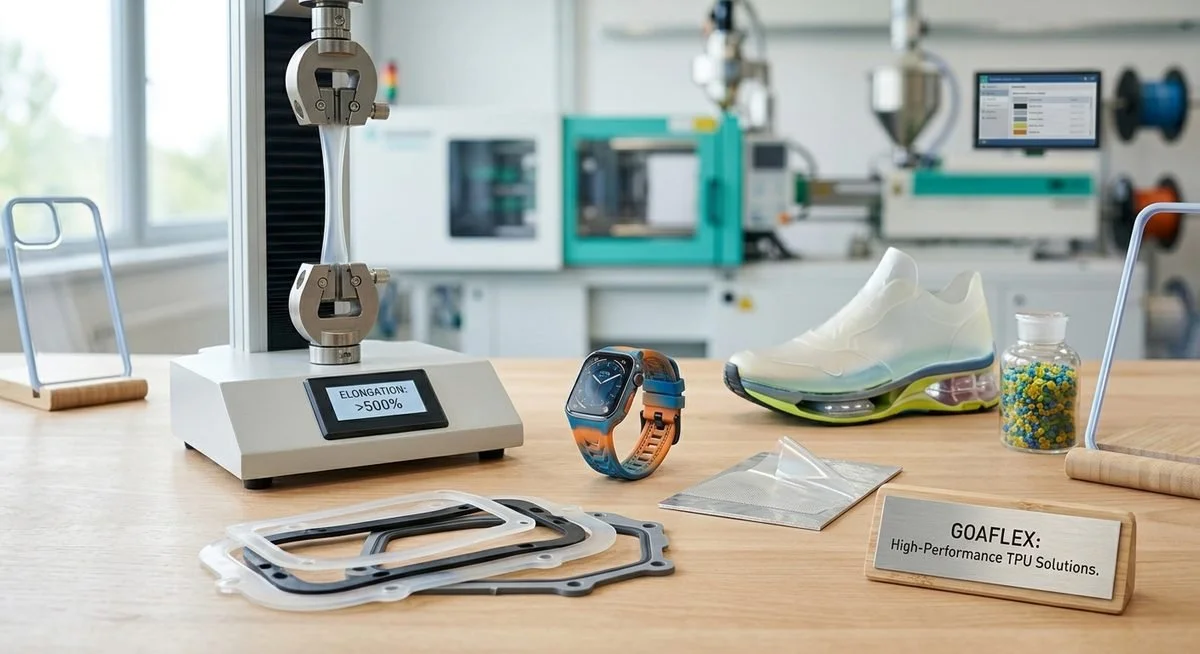
Why is TPU injection molding different?
TPU is a thermoplastic elastomer that combines elasticity with thermoplastic processability. It can be melted, injection molded, and cooled into complex shapes, making it suitable for footwear components, shoe outsoles, wheels and rollers, sporting goods, industrial parts, protective components, and consumer products.
However, successful TPU injection molding requires good control of both the material and the process. When a defect appears, the best approach is to investigate the full system instead of changing material immediately.
1. Bubbles or voids in TPU parts
Bubbles are one of the most common problems encountered during TPU processing. They may appear inside the molded component or near the surface.
Possible causes
- Excessive moisture in TPU pellets
- Insufficient material drying
- Trapped air
- Excessive processing temperature
- Long material residence time
- Improper injection conditions
What should you check?
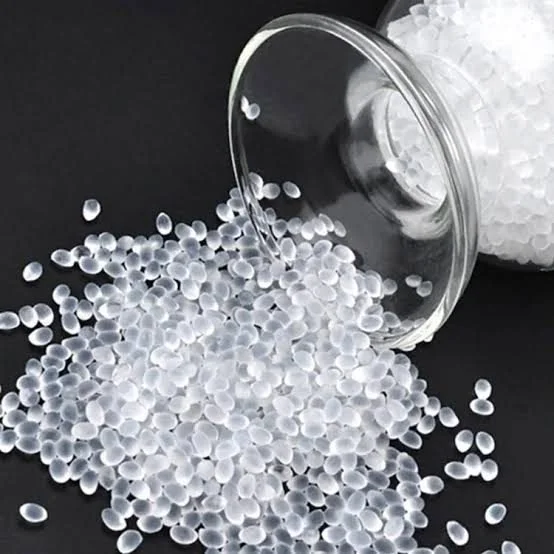
Start with the material. TPU can absorb moisture from the surrounding environment. If excessive moisture remains in the pellets during processing, it may create defects when exposed to high processing temperatures.
Check the sequence: material drying → material storage → processing temperature → residence time → injection conditions. Always follow the recommended drying conditions for the specific TPU grade being used.
2. Splay marks or silver streaks
Silver or white streaks appearing on the surface of an injection-molded TPU component are often referred to as splay. This can negatively affect appearance, especially for transparent, colored, or cosmetic components.
Possible causes
- Moisture or improper drying
- Excessive melt temperature
- Material degradation
- Trapped gases
- Processing instability
What should you do?
Moisture should be one of the first factors investigated. Make sure TPU pellets have been properly dried and protected from moisture before entering the molding machine.
If drying is confirmed, review processing temperature and material residence time. Increasing temperature is not always the solution. Excessive heat can create additional processing problems.
3. Short shots or incomplete mold filling
A short shot occurs when the TPU does not completely fill the mold cavity. The finished component may have missing or incomplete sections.
Possible causes
- Insufficient melt flow
- Melt temperature too low
- Insufficient injection pressure or inappropriate injection speed
- Gate or runner restrictions
- Poor venting
- Complex part geometry
- TPU grade not suitable for the application
What should you check?
Consider both the material and the mold. For thin-wall or complex components, the TPU must have suitable processing behavior to travel through the mold before solidification.
Evaluate: TPU flow behavior + melt temperature + injection conditions + gate design + part geometry. Sometimes the solution is process optimization. In other situations, a different TPU grade may be more suitable.
4. Flash around the molded part
Flash occurs when excess material escapes from the mold cavity and forms thin unwanted material around the molded component.
Possible causes
- Excessive injection pressure
- Excessive melt temperature
- Mold clamping issues
- Worn mold surfaces
- Inappropriate processing conditions
How should it be investigated?
Do not immediately assume the TPU is too soft. First evaluate the molding conditions and mold itself. Review injection pressure, melt temperature, clamp force, mold condition, parting line, and material flow behavior.
The goal is to achieve complete filling without forcing excessive material through the mold parting line.
5. Poor surface appearance
Surface quality is particularly important for consumer products, footwear components, and visible industrial parts. Common surface problems may include flow marks, uneven gloss, rough surfaces, streaking, surface bubbles, and inconsistent appearance.
Possible causes
- Material moisture
- Melt temperature or mold temperature
- Injection speed
- Mold surface condition
- Flow behavior
- Material degradation
What should you do?
Surface problems should be investigated systematically. Instead of changing several parameters at the same time, adjust one factor at a time and record the results. This makes it easier to identify the actual root cause.
6. TPU sticking to the mold
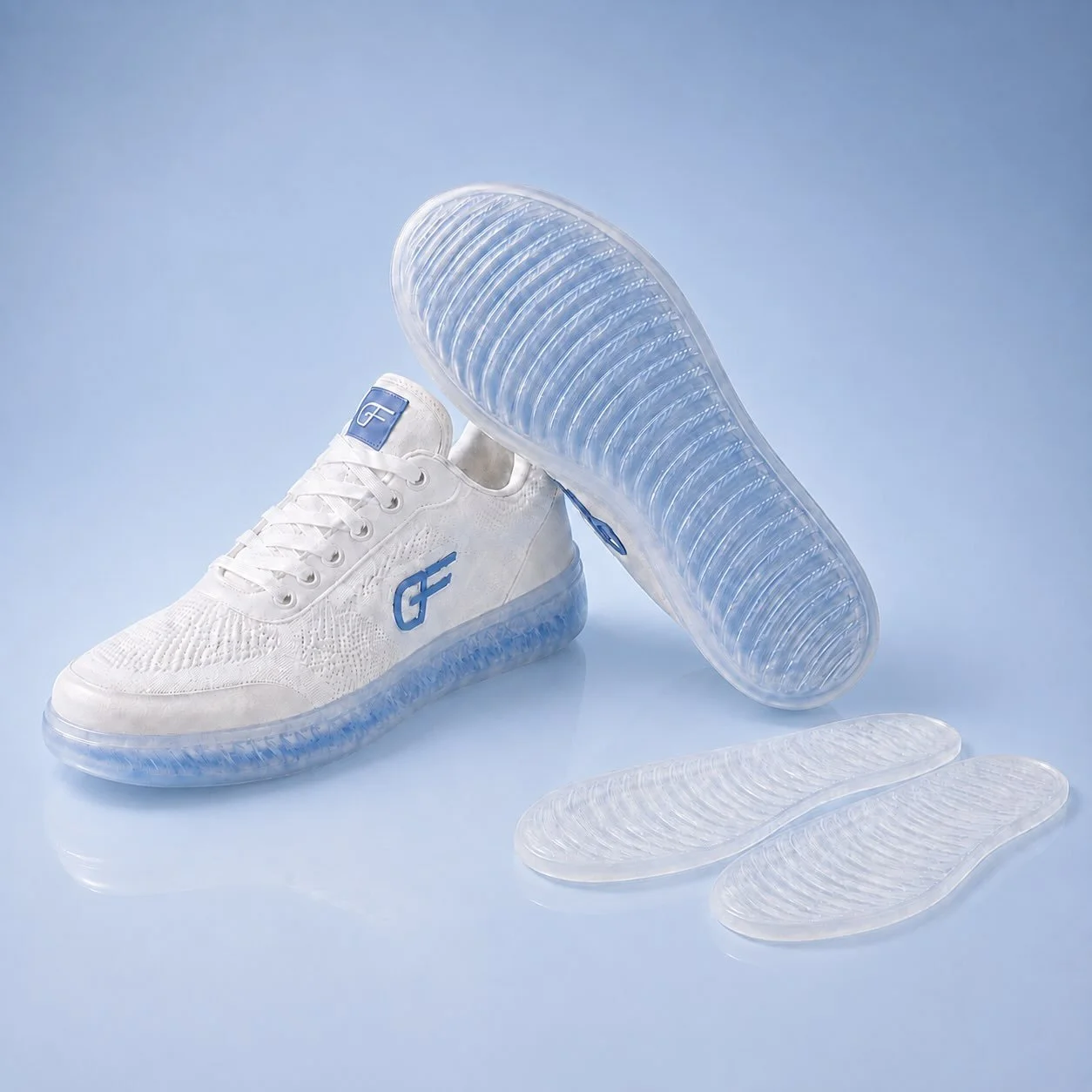
TPU is flexible and elastic, which can sometimes make demolding more challenging than with rigid thermoplastics. A molded TPU component may stick to the mold or become deformed during ejection.
Possible causes
- Part geometry
- Insufficient draft angle
- Mold surface condition
- Inappropriate cooling
- Ejection design
- TPU hardness
- Processing conditions
What should you check?
Consider both material and mold design. If the part is very flexible, thin, or geometrically complex, the ejection system becomes especially important.
Evaluate: cooling → draft angle → mold surface → ejection system → TPU hardness. A material change alone may not solve a mold-design problem.
7. Inconsistent mechanical properties
Sometimes the molded parts look acceptable but fail mechanical testing. Manufacturers may experience inconsistent tensile strength, elongation, tear resistance, flexibility, abrasion resistance, or durability.
Possible causes
- Excessive moisture
- Material degradation
- Inconsistent processing conditions
- Incorrect TPU grade
- Excessive heat exposure
- Contamination
- Recycled material ratio
- Inconsistent material handling
What should you do?
Start by reviewing the entire manufacturing process. Was the TPU dried correctly? Were processing conditions stable? Was the material exposed to excessive heat? Was another resin mixed into the TPU? Was recycled material introduced? Did processing conditions change between production batches?
Consistent TPU performance requires consistent material handling and processing.
The most important rule: do not change everything at once
When a molding problem occurs, there is a temptation to change temperature, pressure, injection speed, and material simultaneously. That makes root-cause analysis much more difficult.
A better troubleshooting process is:
- Identify the defect: What exactly is wrong?
- Check material condition: Is the TPU dry and properly handled?
- Review processing parameters: Compare current settings with the recommended processing window.
- Check the mold: Evaluate gates, runners, venting, cooling, and ejection.
- Adjust one major variable at a time: Record the result.
- Evaluate material suitability: If the process is stable but the problem remains, determine whether another TPU grade may better fit the application.
This approach helps separate a material problem from a processing problem.
Material, machine, mold, and process must work together
Successful TPU injection molding is rarely determined by one factor alone. Think of the process as four connected elements:
Material × Machine × Mold × Process
A high-performance TPU cannot compensate for poor drying. Higher injection pressure cannot always compensate for unsuitable mold design. Higher temperature cannot always solve poor flow. And changing TPU grades cannot automatically solve every processing defect.
The best results come from evaluating the complete system.
How to discuss a TPU molding problem with your supplier
If you contact a TPU supplier and simply say, “The material does not work,” it can be difficult to identify the root cause. Instead, provide as much information as possible.
Useful information includes
- Material: TPU grade, hardness, chemistry, material condition, and drying conditions.
- Product: Application, part dimensions, wall thickness, and product weight.
- Processing: Barrel temperature, mold temperature, injection pressure, injection speed, and cycle time.
- Problem: Photo of the defect, where it occurs, when it started, and whether it is continuous or intermittent.
The more information available, the faster the troubleshooting process can become.
GOAFLEX: more than a TPU material supplier
At GOAFLEX, we believe material development should be connected to real manufacturing conditions. Our high-performance TPU solutions support injection molding, extrusion, footwear, industrial components, sporting goods, adhesive applications, and functional films.
When customers encounter TPU processing challenges, understanding the actual application and production conditions is an important part of finding the right solution.
Because sometimes the question is not, “Which TPU is better?” The better question is: Which TPU works better in this application and process?
Explore GOAFLEX TPU footwear solutions →
Having a TPU injection molding problem?
If you are experiencing bubbles, splay, short shots, poor surface appearance, or other TPU molding issues, provide us with your application, current TPU grade and hardness, processing conditions, photos of the problem, and performance requirements.
GOAFLEX — High-performance TPU solutions built around real manufacturing challenges.
