
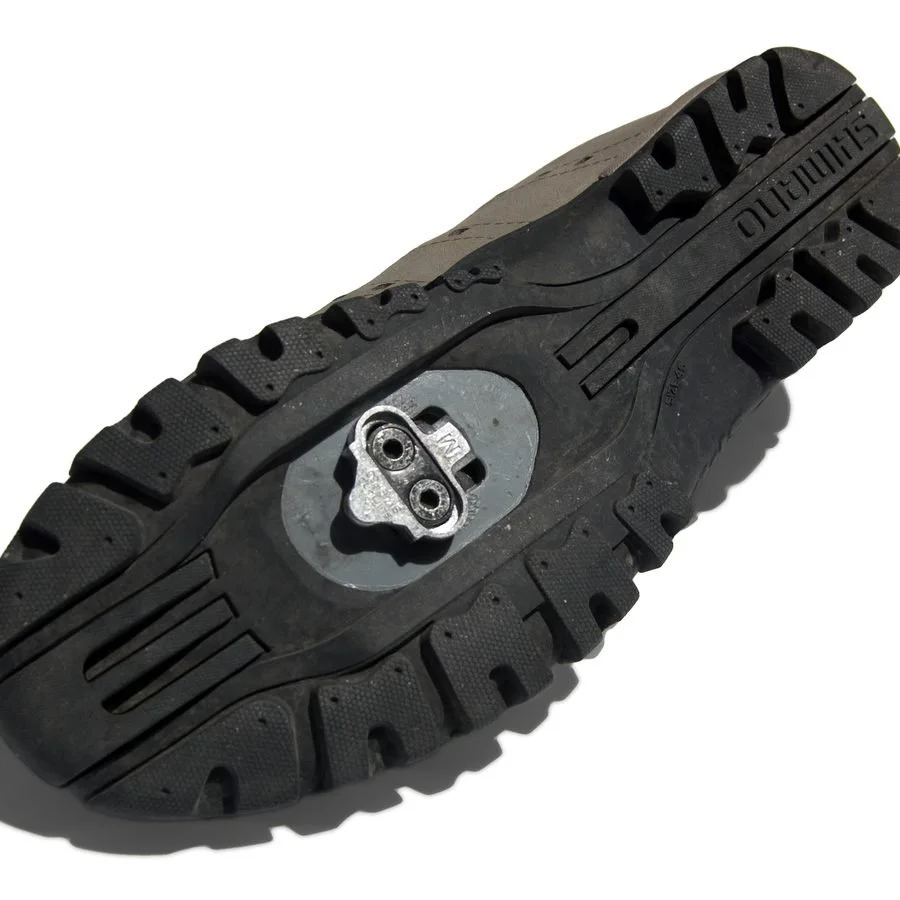
TPU Outsole Grip Is Not One Number: How to Validate Slip Resistance Across Surface, Contaminant, and Tread
TPU outsole grip depends on the interaction among compound, tread, floor, contaminant, temperature, and wear. Build a defensible slip-resistance validation plan.
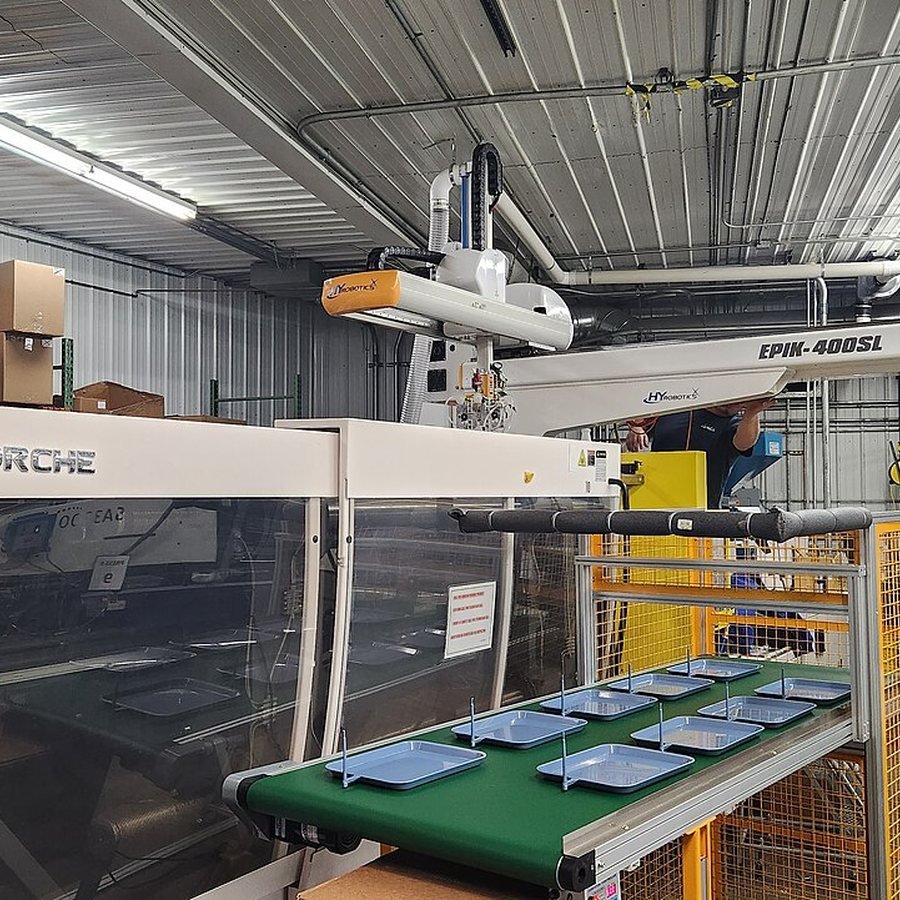
Why TPU Turns White When Bent or Stretched: A Practical Guide to Stress Whitening, Splay, Bloom, and Surface Damage
A practical decision guide for separating TPU stress whitening from molding splay, additive bloom, abrasion, delamination, and cracking.
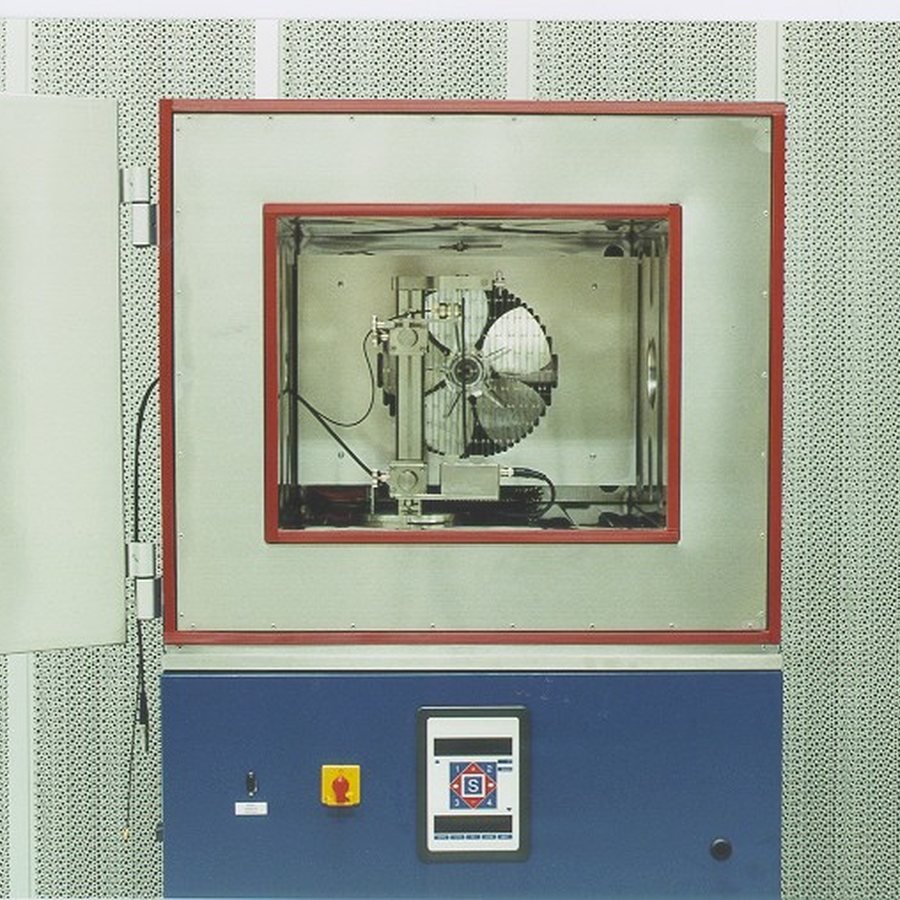
TPU Temperature Ratings Explained: How to Use Tg, DMA, Heat Distortion, and Finished-Part Testing
A practical guide to understanding TPU glass transition, DMA, heat-distortion, softening, aging, and finished-part temperature validation.
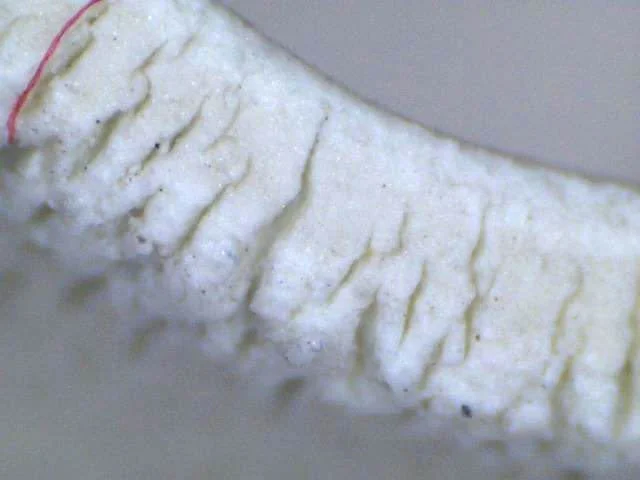
TPU Tear Strength and Flex-Fatigue: How to Prevent Cracks from Becoming Field Failures
Understand how TPU tear initiation, crack propagation, repeated flexing, geometry, processing, and service aging combine to create field failures.
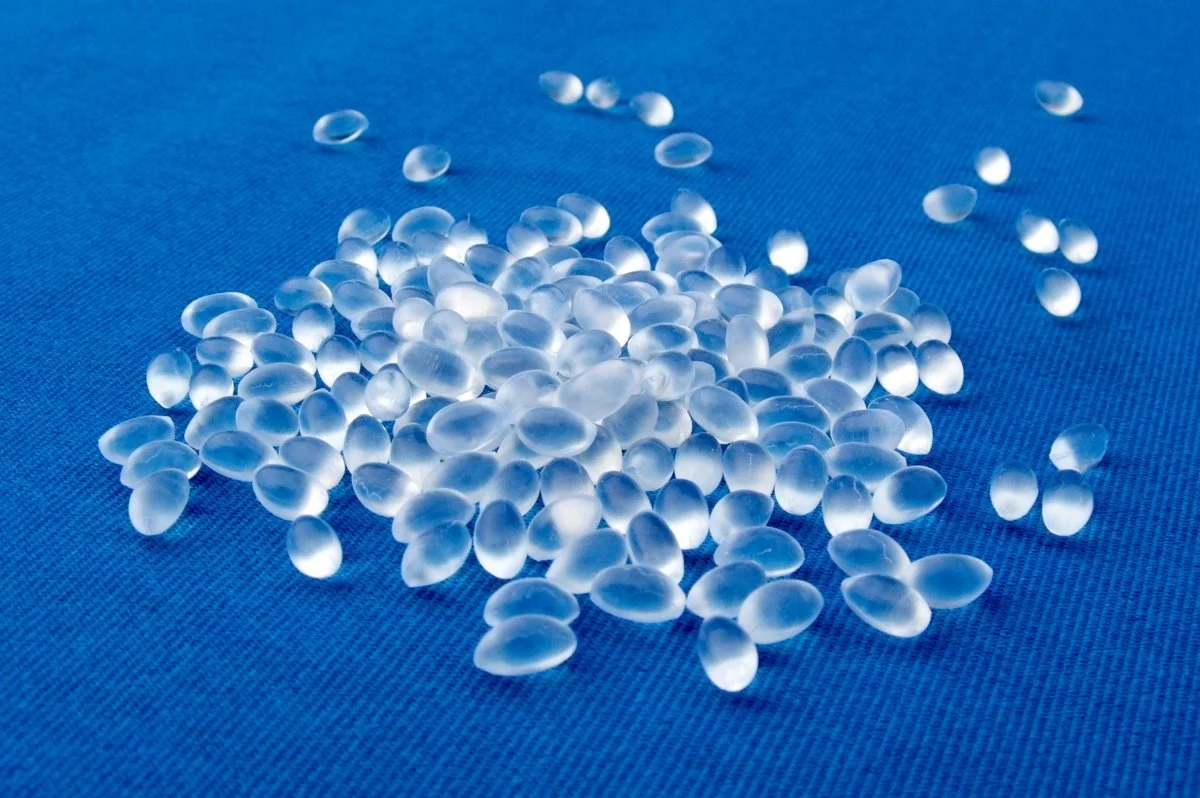
TPU Hydrolysis Testing: How to Build an Aging Plan for Humidity, Water Immersion, and Real Service Conditions
A hydrolysis-resistant label is not a complete qualification plan. Learn how to combine humidity aging, water immersion, retained-property testing, and finished-part service simulation for TPU.
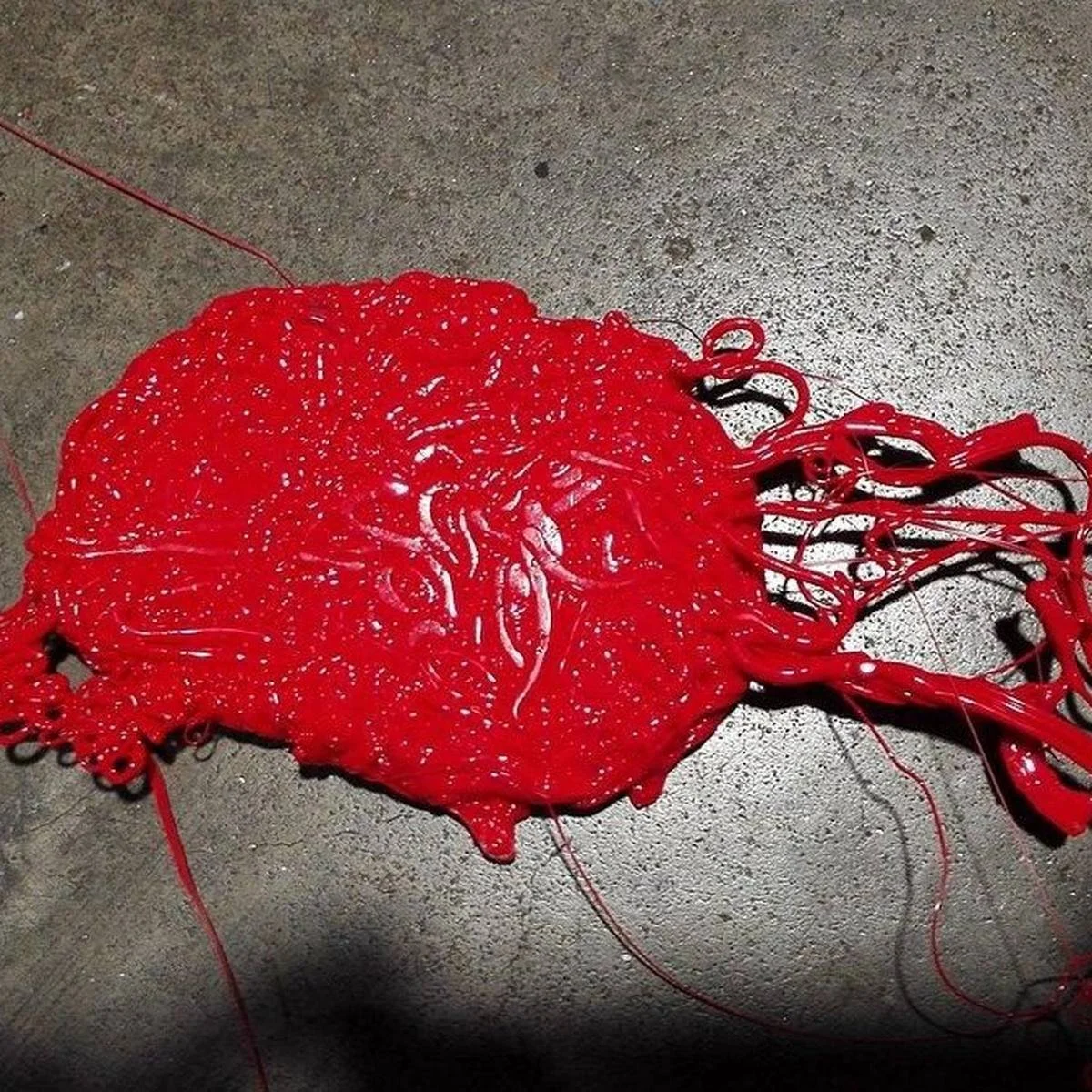
Using TPU Regrind in Production: A Validation Guide for Injection Molding and Extrusion
TPU is thermoplastic, but that does not make every scrap stream safe to reuse. Learn how to control identity, drying, processing history, traceability and finished-product validation.

TPU for Automotive Interior Soft-Touch and Foamed Parts: What Tier Suppliers Should Validate
TPU can support selected automotive interior soft-touch and foamed components, but approval depends on the exact grade, color, process, part geometry, aging exposure and OEM validation.